The town sits above its river on purpose
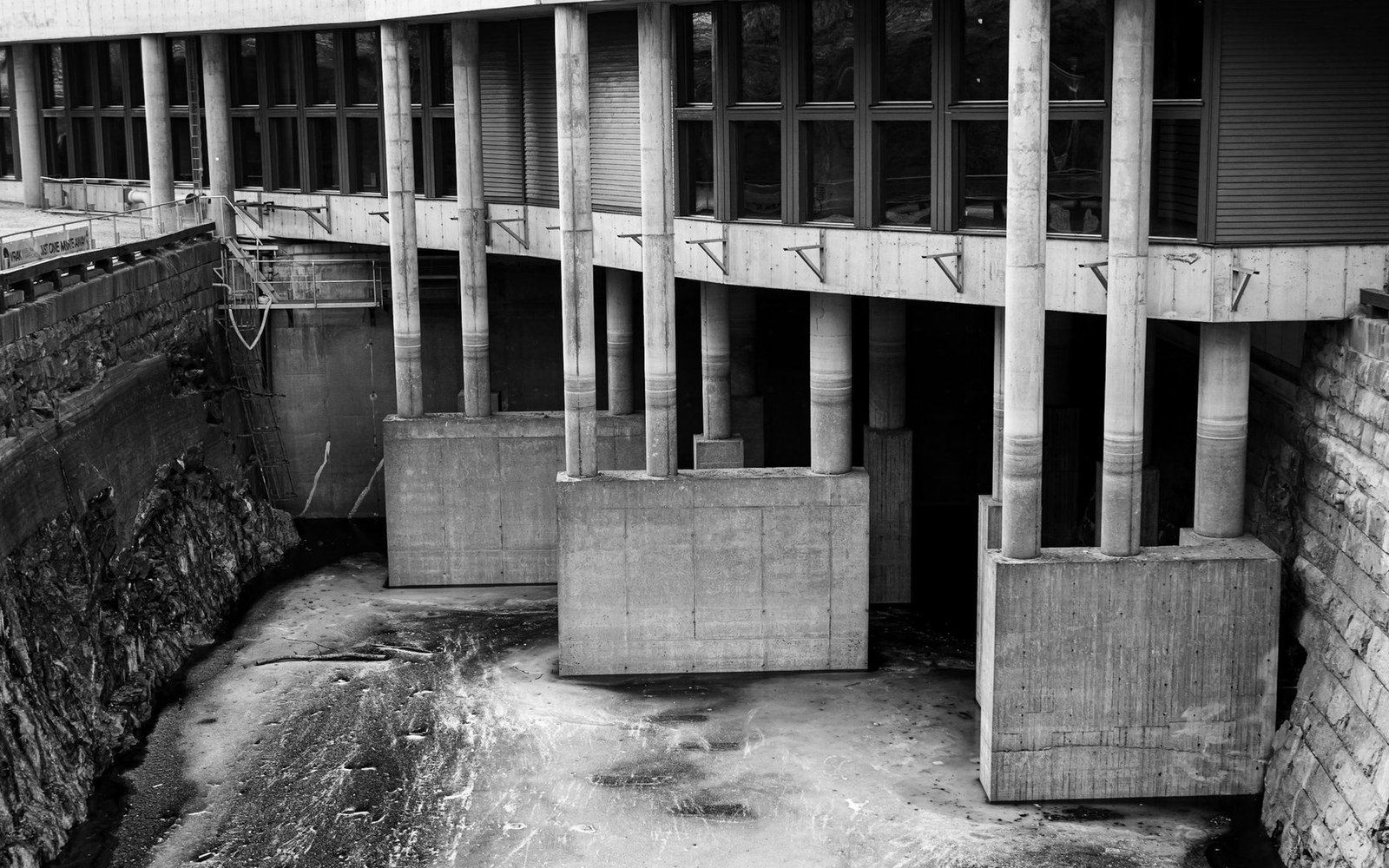
A levee through the middle of town and five dams upstream that are kept empty. Everything else here — the wire, the arc, the square, the airfield — happens behind that arrangement.
Read the lead piecedams that hold no water
Englewood, Germantown, Lockington, Taylorsville, Huffman. Arthur Morgan turned down the reservoir in favour of five valleys kept empty and a conduit at the bottom of each that never closes.
Embankment, ungated conduit, design water surface. There is no gate in the drawing because there is no gate in the structure.
A Dam That Stores Nothing
The structural logic of a dry retarding basin: embankment, ungated conduit, and the design water surface.
Read thisEnglewood, Germantown, Lockington, Taylorsville, Huffman
The five Miami Conservancy District retarding basins — their locations on the watershed, their individual capacities, and how they operate as a system rather than as five separate structures.
Read thisWhat the Conduit Mouth Tells You
The Taylorsville dam outlet works — the dimensions of the ungated opening, the stain line on the concrete above it marking historical water-stand depth, and what normal-condition flow through it looks like versus a wet week in March.
Read thisThe Engineer Who Refused the Reservoir
Arthur Morgan's founding logic for the Miami Conservancy District in 1915: why he rejected impoundment in favour of empty valleys and ungated conduits, and how the district's taxing authority over the whole watershed made the system buildable.
Read thisWho supports the section above
Workshops, contractors, and civic bodies woven into the working life of this river valley.










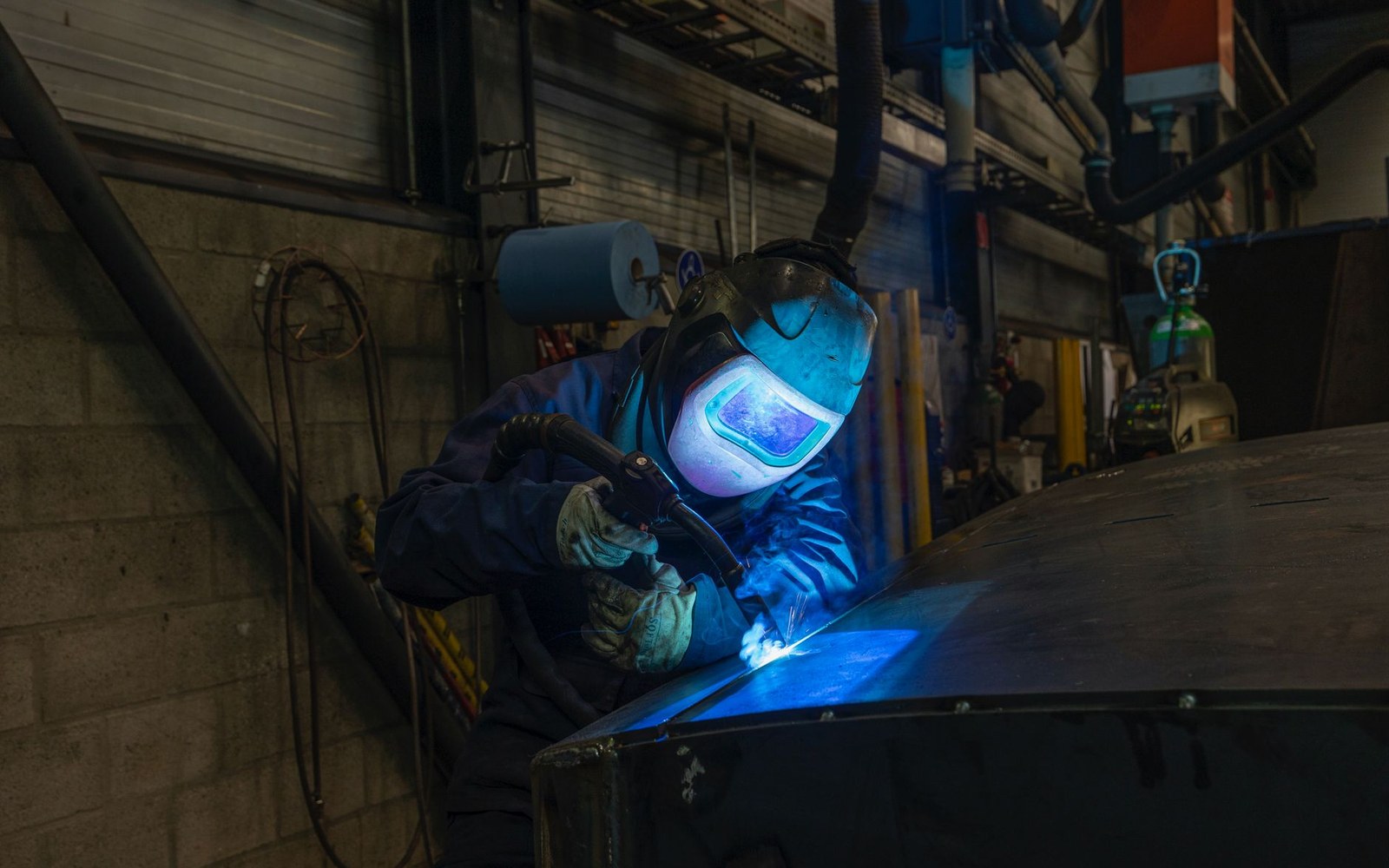
The school has been here since 1930 and the shortage is still counted in tens of thousands a year
Honda is putting roughly $700m into the Anna engine plant to build electric drive units, and $4.4bn with LG into batteries at Jeffersonville. Both need people who can join metal.
Troy's other export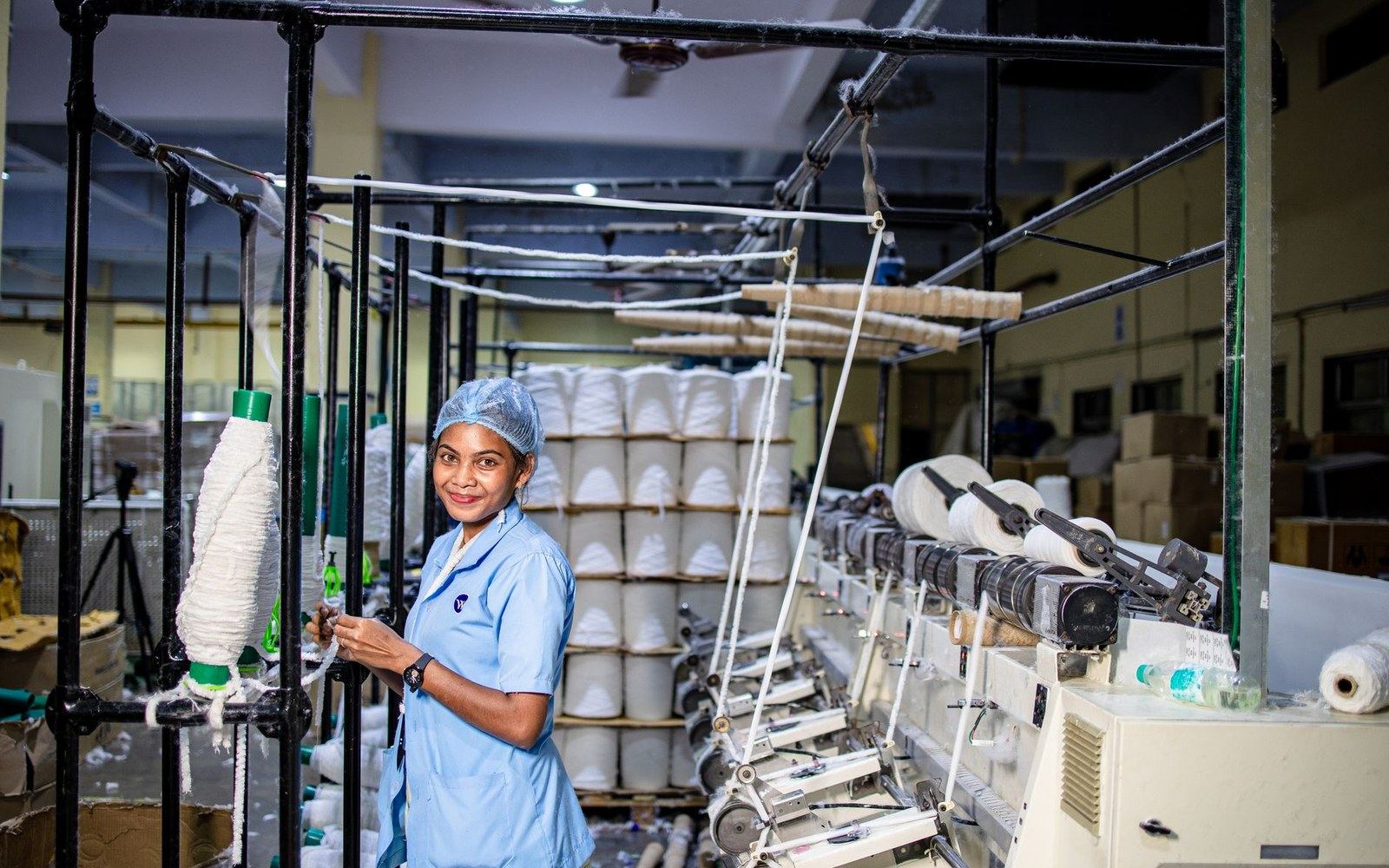
The wire still ships from Troy
ITW Hobart Brothers' welding consumables operation — the wire-line production floor, the product range, and why a town that trains welders also makes the wire they train with.
Anna is being retooled
Roughly $700 million, twenty miles up the road, to build electric drive units where engines were built.
A dam that stores nothing is the hardest kind to explain and the easiest kind to forget.
The Great Miami · five valleys kept emptyWhat the town keeps
The Square · Miami County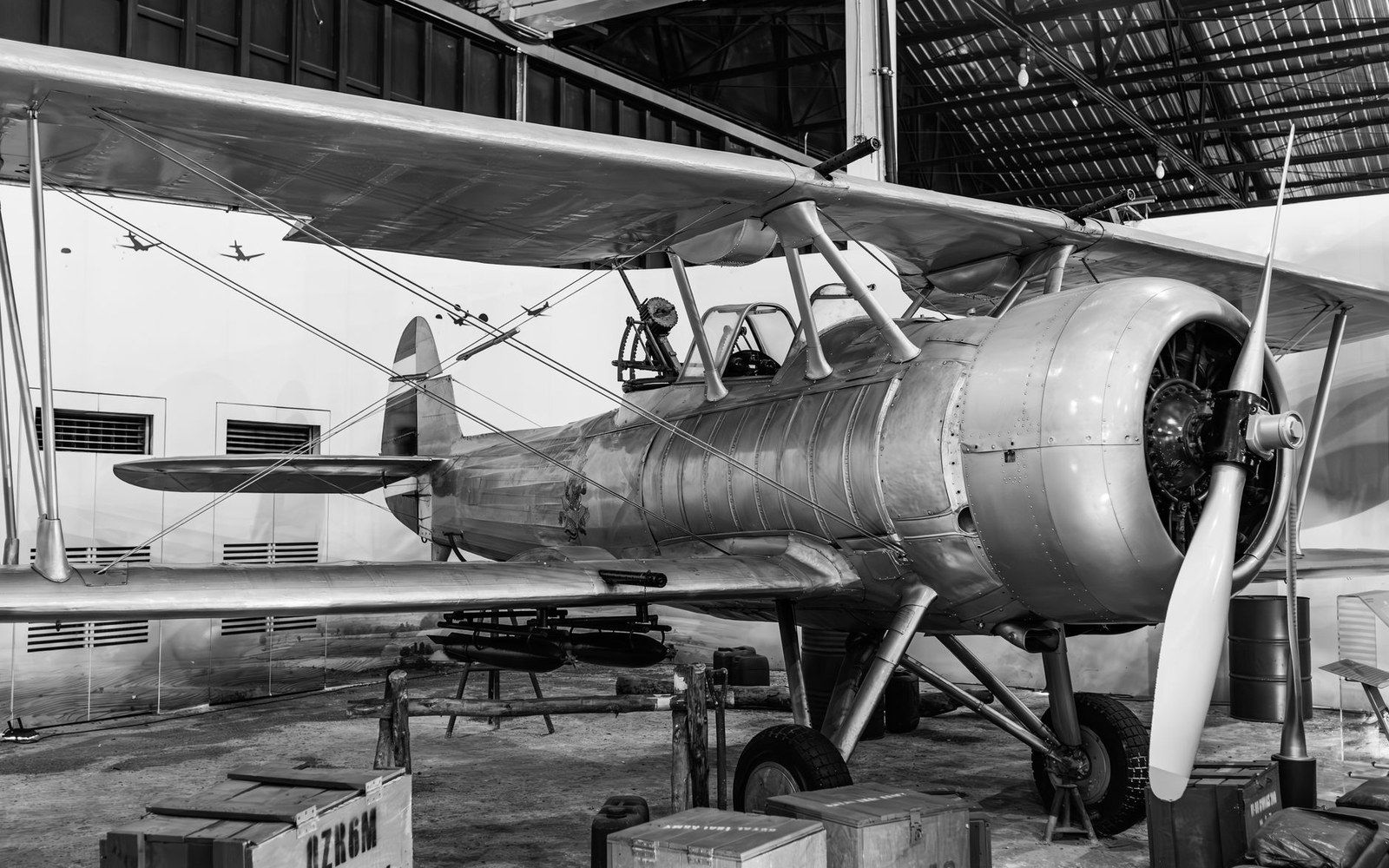
Built in Troy in the 1920s
The WACO Aircraft Company and the biplanes it produced through the 1920s and 1930s — specific models, production numbers, and the WACO Air Museum and Aviation Learning Center that now holds and flies examples of the type.
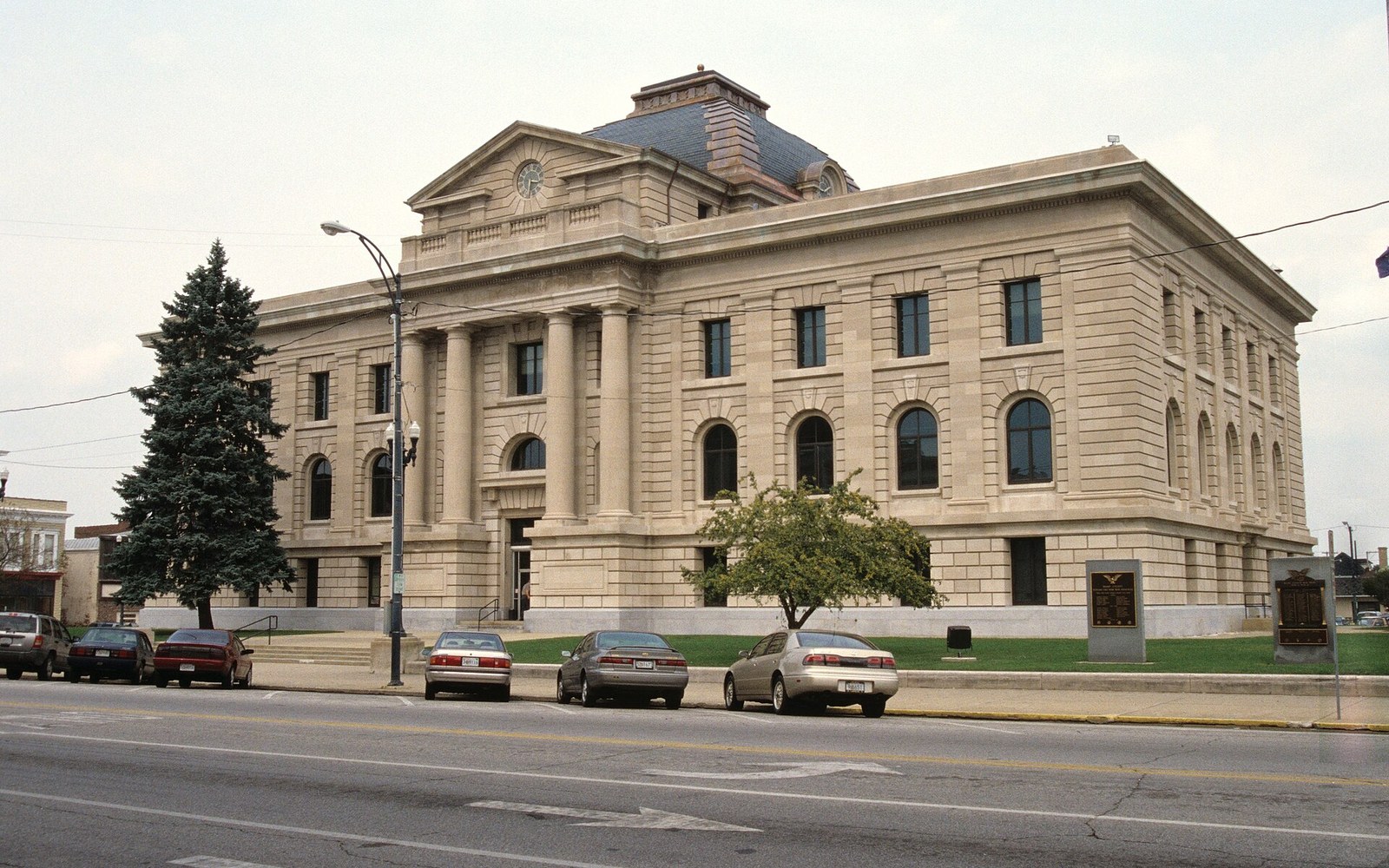
The dome at the centre of the square
The Miami County Courthouse built in 1888 — its design, its dome, its position anchoring the Public Square, and what the building has housed in the years since.
Four sections, twenty-six pieces
The whole registerThe water gets the first say
The flood-control system that makes the town possible: five dry dams, a raised levee, the 1913 event that set the design, and Arthur Morgan's district.
6 pieces Section 2The school has been here since 1930
The Hobart Institute, the welding-wire plant that shares its name, the Honda investment upstream, and why the American Welding Society's shortage number keeps climbing.
6 pieces Section 3The town and its square mile
The Public Square, the 1888 courthouse, Hobart Arena, the Overfield Tavern, WACO Aircraft, the Strawberry Festival as institution, and the fabric of the built town.
7 pieces Section 4The county and what sits in it
Miami County beyond the city limits: Piqua and the Johnston Farm, Tipp City's canal-era main street, the Miami and Erie Canal locks, the Stillwater River, and Dayton's record to the south.
7 piecesWhere the system sits
Open the mapsWhat this map shows
- Retarding basin — an earthen dam with an ungated conduit, holding no water in an ordinary year
- Town the site writes about
- Graticule at quarter-degree intervals
- Scale: ten miles
The Miami Conservancy District's flood-control system and the towns below it. Troy sits on the main stem of the Great Miami, with Lockington above it on Loramie Creek and Taylorsville below; Huffman holds the Mad River, Englewood the Stillwater, Germantown Twin Creek.
Eleven sites carry a coordinate in the pack's map data: six towns and the five basins. Positions are projected from those latitudes and longitudes onto the state outline the same data ships, which is why the scale bar and the graticule are true rather than drawn. Every dot links to its piece.
The valley at full size