The Engineer Who Refused the Reservoir
Arthur Morgan's founding logic for the Miami Conservancy District in 1915: why he rejected impoundment in favour of empty valleys and ungated conduits, and how the district's taxing authority over the whole watershed made the system buildable.
Arthur Morgan came to the Miami Valley in 1913 with a principle already formed: a reservoir holds water until you need the storage gone, and then it fights you.
The Logic Against Impoundment
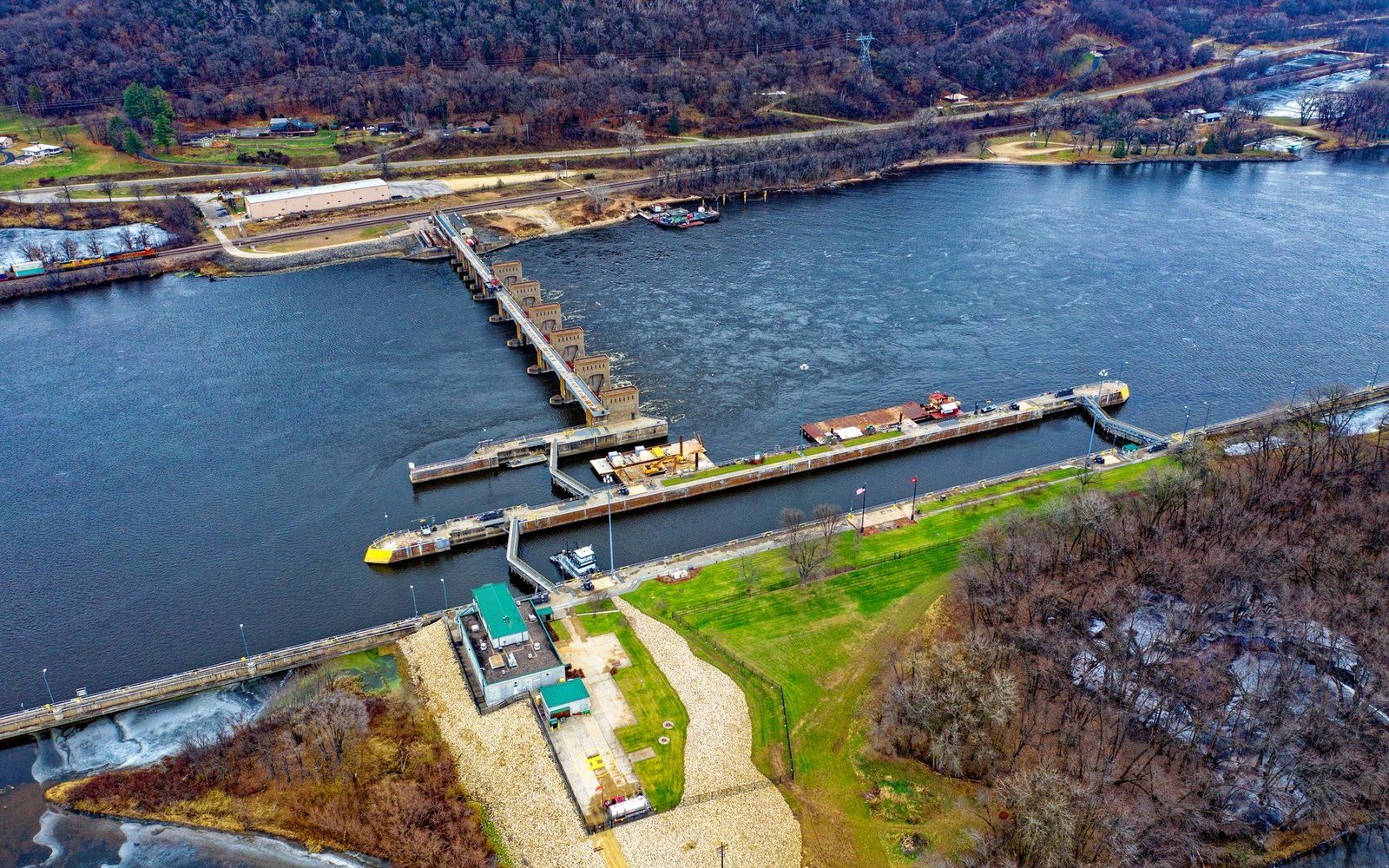
When the Miami Conservancy District was established in 1915, Morgan — its chief engineer — had already surveyed the wreckage left by the catastrophic spring 1913 flooding along the Great Miami River and its tributaries. The engineering question on the table was the one it always is after a major flood: how do you prevent the next one? The conventional answer was reservoir storage: build dams with gates, fill pools, release water on a managed schedule. Morgan rejected it.
His argument was structural and hydrological at once. A reservoir behind a gated dam is never fully available. It holds water for municipal supply, for navigation, for recreation; the flood-control headroom is whatever the operator has managed to clear before the storm arrives. Gate failures — mechanical, human, institutional — compress that margin further. In the Miami Valley, where the 1913 event moved from rainfall to peak discharge in a matter of hours, a partially full reservoir offered false security rather than real protection.
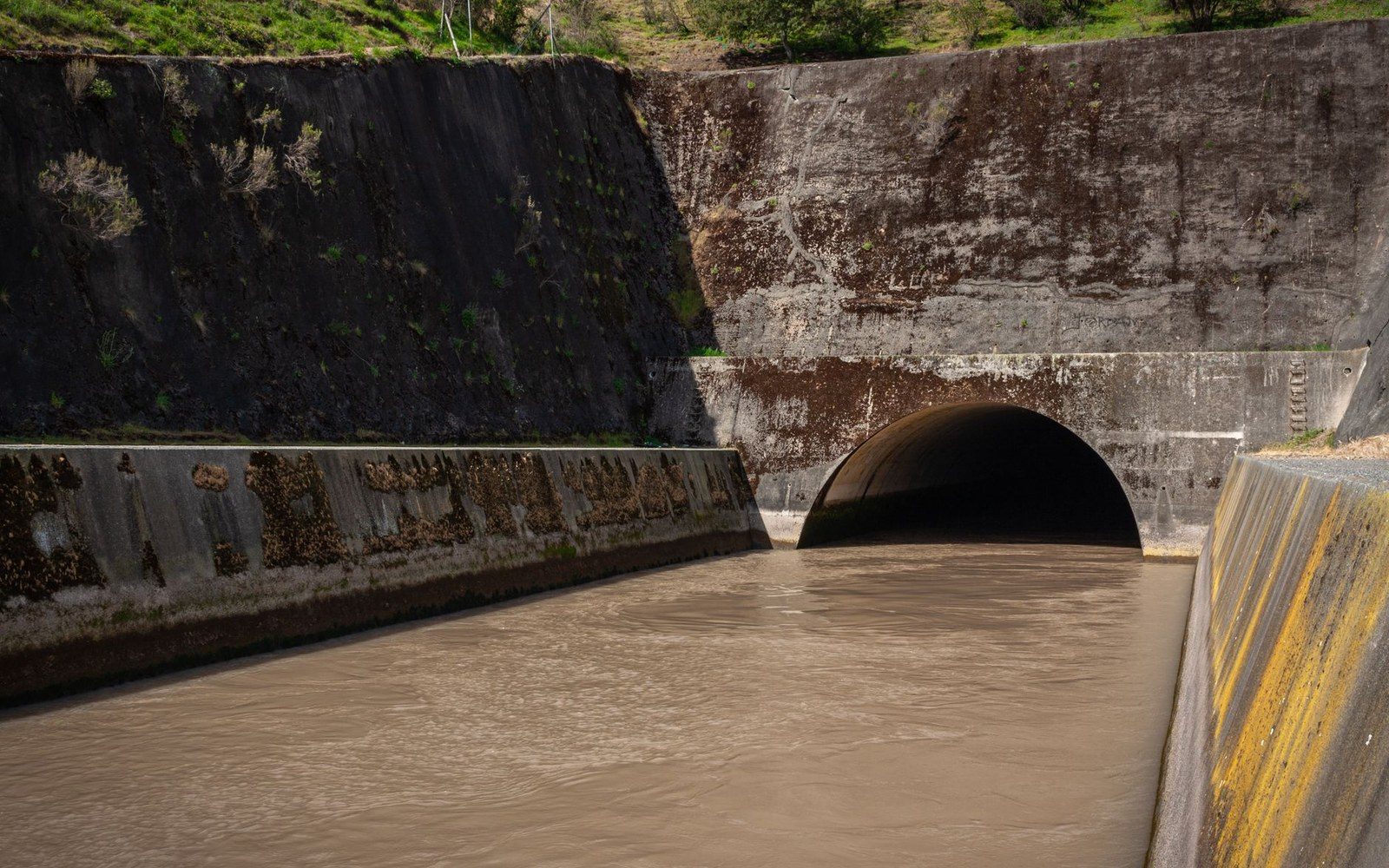
Morgan's alternative was the dry dam: an earthen embankment across a valley with no gates at all, only a fixed conduit through its base. The conduit passes ordinary river flow continuously; the valley behind it stays empty. When a flood arrives, the embankment intercepts the surge, fills the retarding basin temporarily, and drains it back through the ungated opening over days or weeks. There is no operator decision required during the emergency, no gate to fail, no reservoir competing with flood storage for the same cubic feet. The system is self-regulating by design.
Five Valleys and a Taxing District
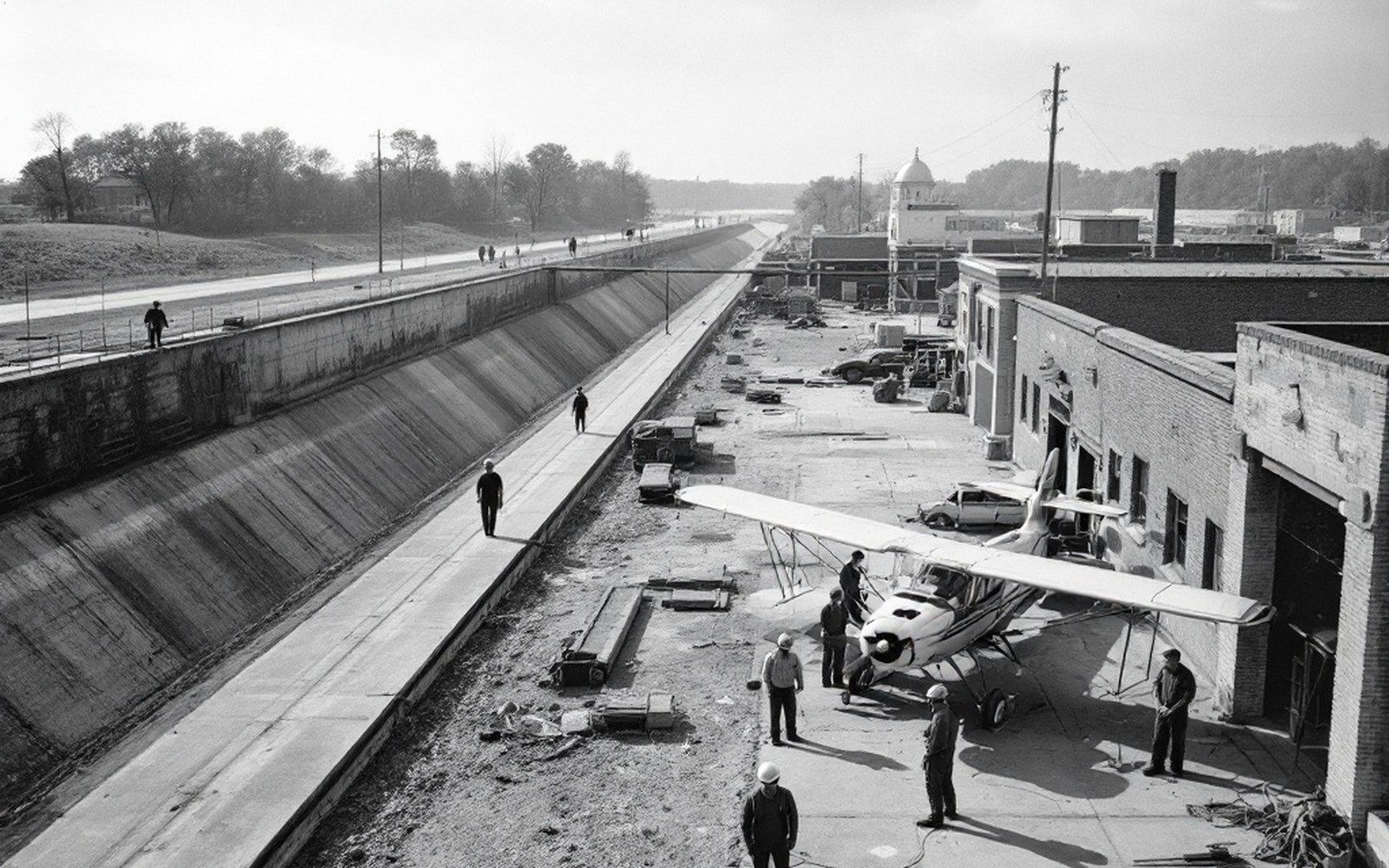
The scale of that design required five sites across the watershed — at Englewood, Germantown, Lockington, Taylorsville, and Huffman — plus a channel and levee system through Dayton itself. Financing works at that scale meant Morgan needed an institution as durable as the engineering. The Miami Conservancy District, organized under Ohio's 1914 Conservancy Act, gave him one. As a taxing district whose assessment authority extended across the entire watershed, it could levy charges on every property that benefited from flood protection — farm fields in Miami County, industrial lots in Dayton, residential blocks throughout the valley — and service the bonds those assessments backed.
Morgan understood that the engineering and the governance were inseparable. A dry dam holding an empty valley in trust for the next flood is a public commitment, not a private asset. It yields nothing in an ordinary year: no stored water to sell, no recreational pool to lease, no hydroelectric output. The only way to keep five such valleys empty in perpetuity is through an institution with both the legal standing to hold them and a revenue base independent of any single municipality's budget cycle. The taxing district provided both.
Construction ran from 1918 to 1922. The Taylorsville dam, downstream of Troy on the Great Miami, is among the most closely studied of the five: its ungated conduit dimensions were set to pass the expected base flow of the river while still allowing the basin above to fill to its design water surface during a major event. The embankments at all five sites were compacted to specifications Morgan's team developed specifically for the project, drawing on then-current soil mechanics research rather than empirical rule of thumb.
The district has operated continuously since 1922. No major flood has overtaken the system it was built to control. Morgan's refusal of the reservoir was not iconoclasm — it was a precise answer to a specific hydrological problem, made durable by the institutional structure he insisted on building around it.