Anna Is Being Retooled
Honda's $700 Million Conversion and What It Means for the Supply Chain
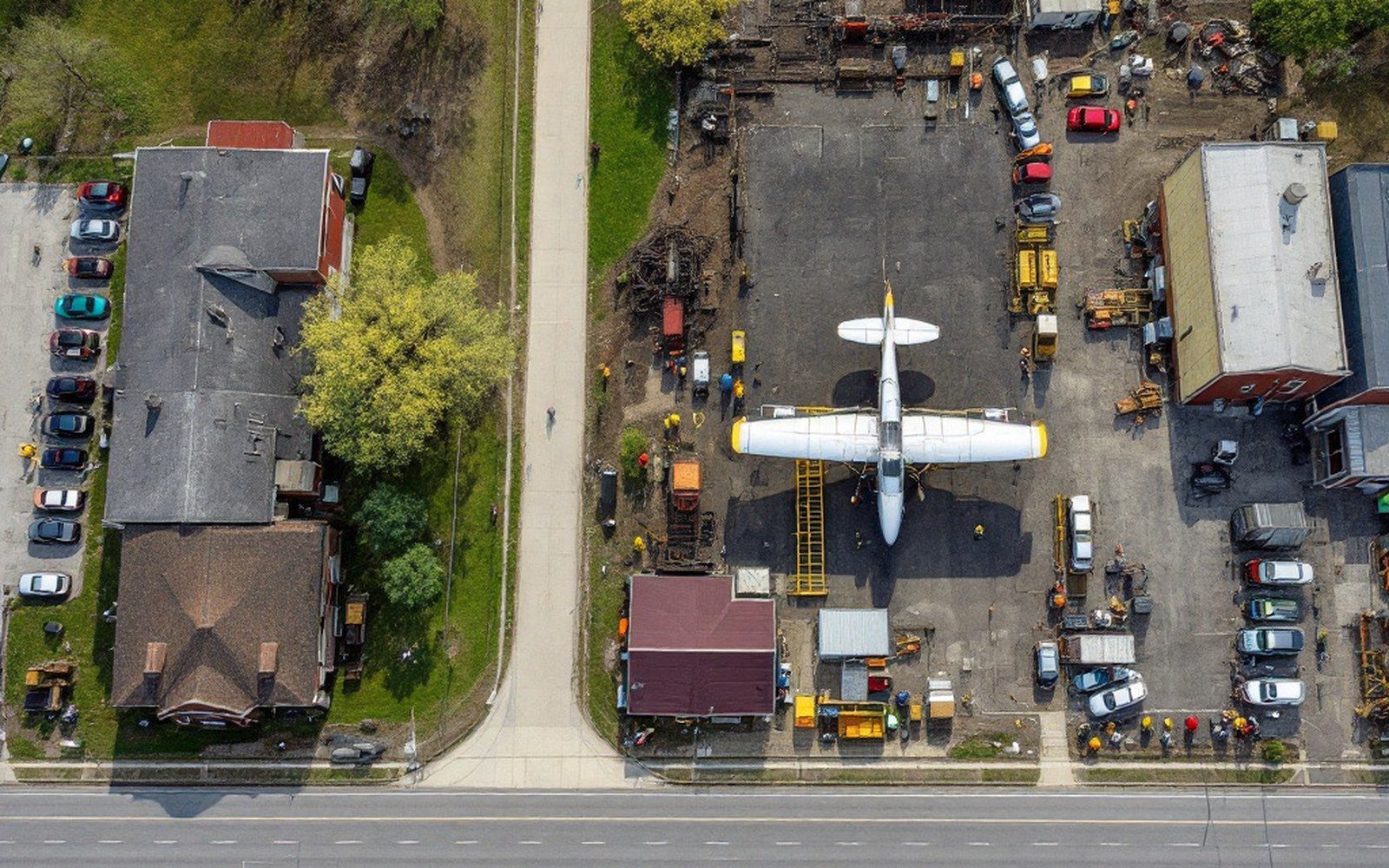
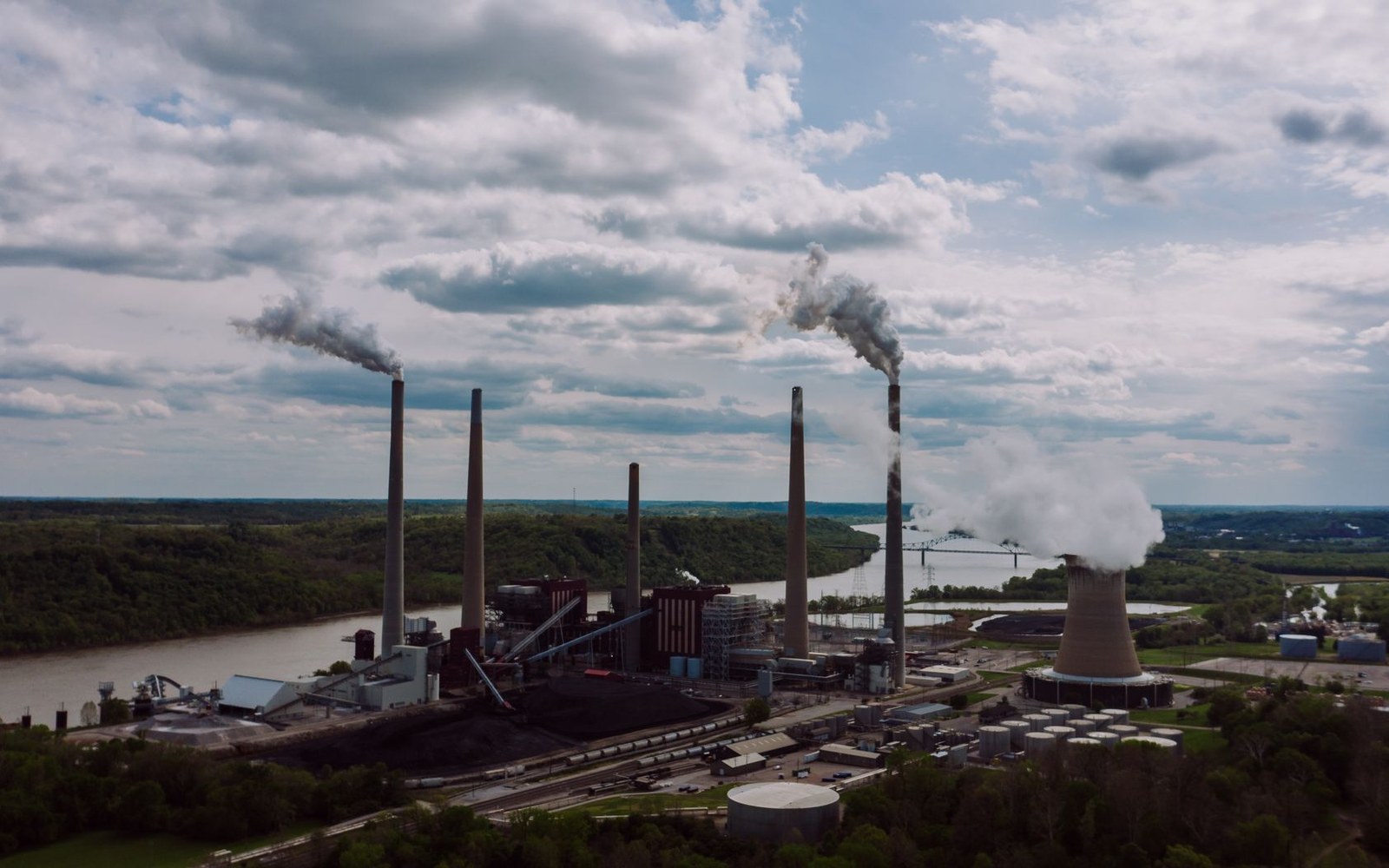
Honda's Anna engine plant, roughly twenty miles north of Troy in Shelby County, has produced internal combustion engines continuously since 1985. It is one of the oldest Honda manufacturing facilities outside Japan, and for most of its life it has run on a single logic: cast aluminum, machine it, assemble it, ship it south to Marysville. That logic is now being systematically dismantled.
Honda has committed approximately $700 million across its Ohio EV hub, including funds to retool the Anna plant for production of electric drive units — the integrated assemblies of electric motor, power electronics, and reduction gearing that replace a combustion powertrain in a battery-electric vehicle. The investment is part of a broader Honda North America electrification program that also includes a new battery plant being constructed at Jeffersonville, Ohio, in partnership with LG Energy Solution. Anna's conversion represents the manufacturing end of that same bet: the cell comes from Jeffersonville, the drive unit that uses the cell's output comes from Anna.
The timeline Honda has disclosed runs through the mid-2020s, with drive unit production phased in alongside a wind-down of conventional engine lines rather than an abrupt cutover. That sequencing matters industrially. Anna currently employs more than two thousand workers and runs at a scale that has shaped the supply network across Shelby and Miami counties for four decades. A hard stop would be a regional shock; a rolling retool is something the supply chain can, in principle, adjust to — if it moves with similar deliberateness.
What Changes in the Fabrication Supply Chain
The shift from combustion engines to electric drive units is not simply a change in product; it is a change in manufacturing physics. An internal combustion engine block demands high-precision machining of cast aluminum — boring, honing, threading — and the tooling infrastructure around Anna reflects that. Electric drive units require precision stamping, copper winding, tight-tolerance housing fabrication, and power electronics integration. The materials are different, the tolerances in some areas are tighter, and the joining technologies are not identical.
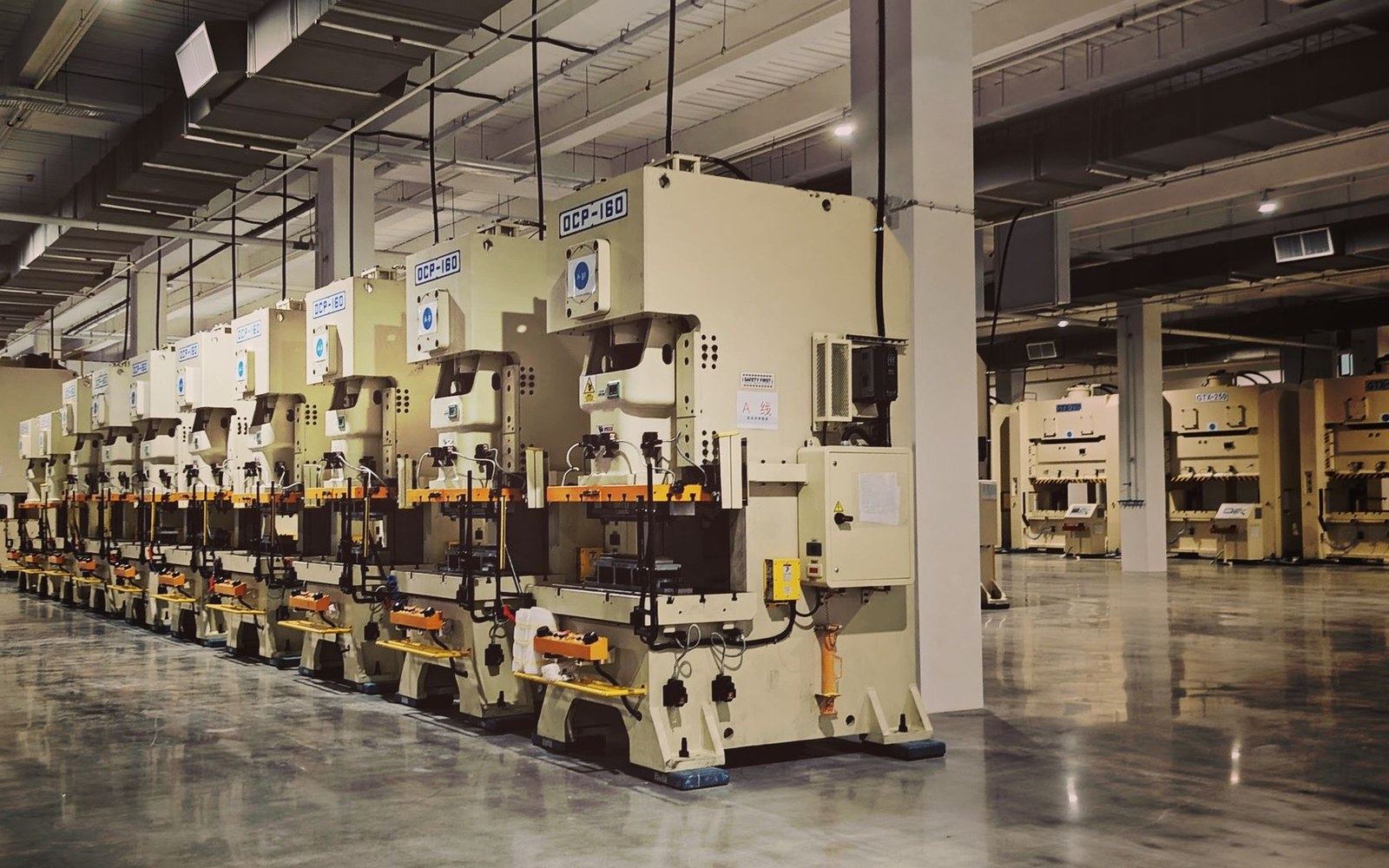
For the welding and fabrication corridor between Troy and Anna, this reconfiguration has direct implications. F&P America Manufacturing, which operates a stamping facility in Troy supplying Honda's Ohio production network, is among the suppliers positioned to absorb demand for the kind of structural metal forming that drive unit housings and subassemblies require. Stamping at that level — high-tonnage dies, tight-gauge sheet steel or aluminum — is precisely the competency F&P has built in Troy for Honda body and structural components.
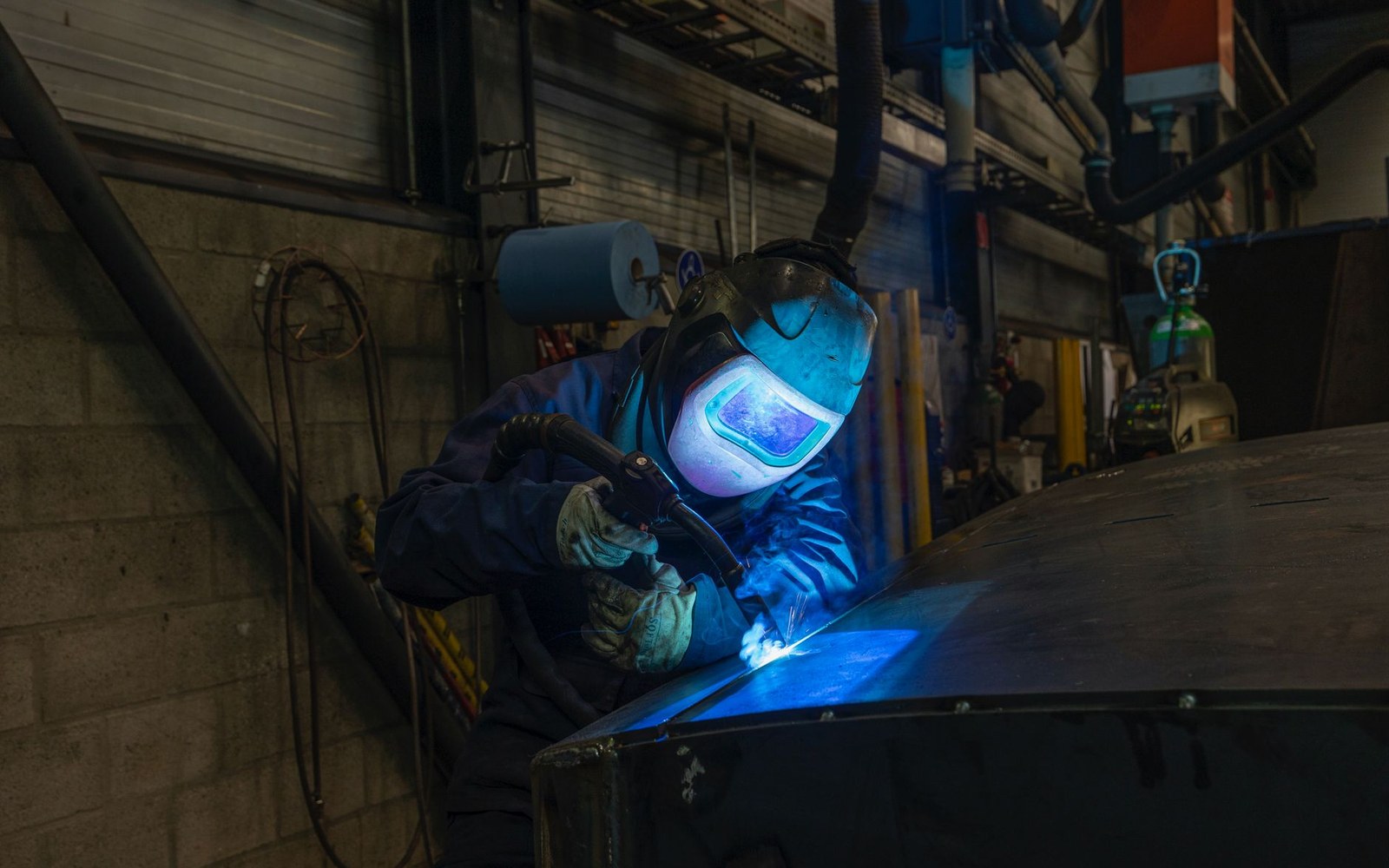
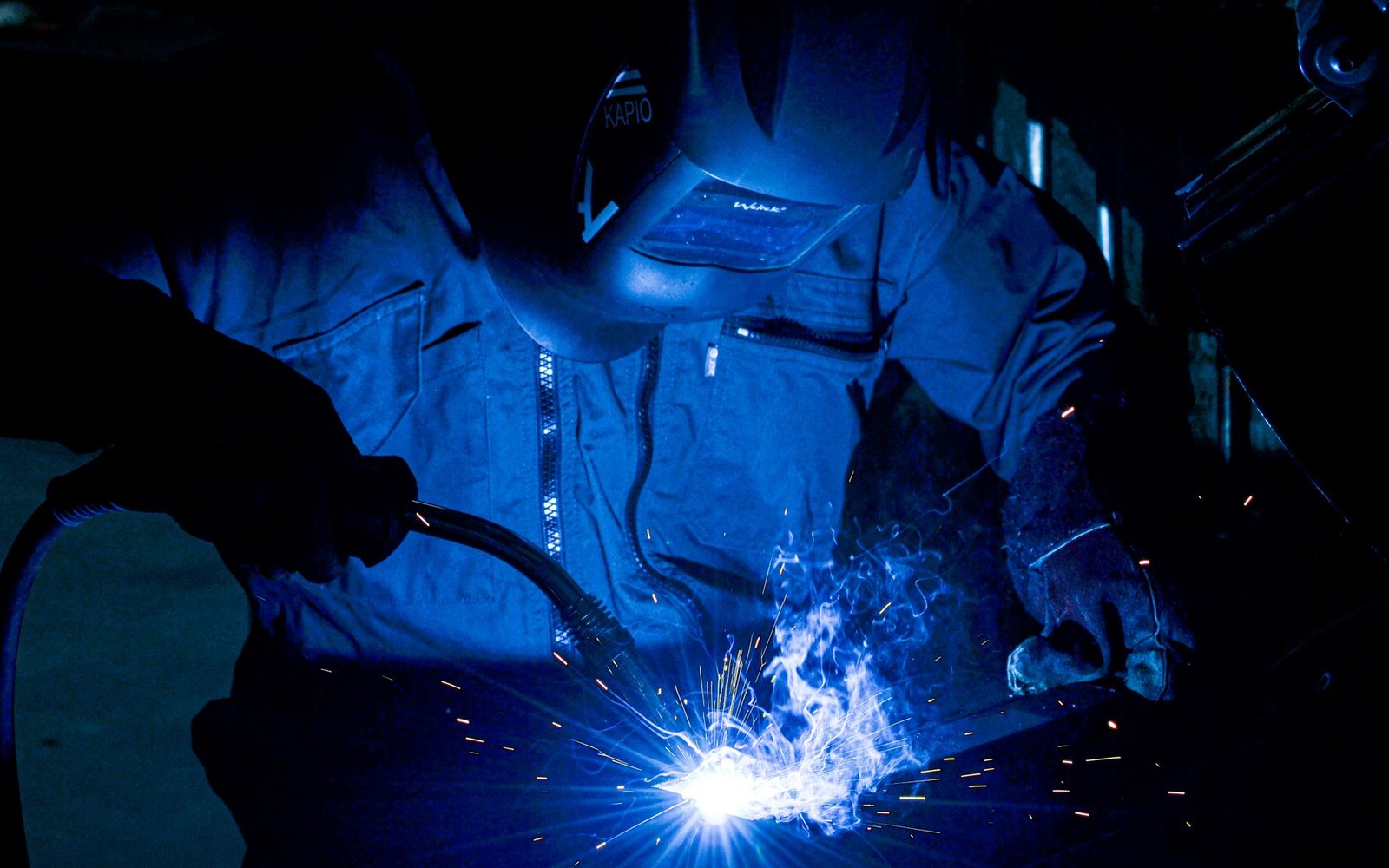
Welding consumables are a less obvious but equally real variable. The Hobart Institute of Welding Technology in Troy has for decades trained welders and welding engineers whose certifications are recognized across the Honda supply chain. Drive unit housings involve dissimilar-material joining challenges — aluminum to copper interfaces, hermetic seal requirements for motor housings — that demand certified, skilled welders, not just automated weld lines. The American Welding Society has documented a persistent skilled-welder shortage nationally; Anna's retool will add qualified demand to an already tight regional market.
What the Anna conversion does not do is reduce the region's dependence on Honda. If anything, it deepens it. The plant is not being closed and replaced; it is being repurposed at substantial capital cost, which signals a multi-decade horizon for the facility. Honda's pattern in Ohio has consistently been to invest in existing infrastructure rather than greenfield displacement — Marysville, East Liberty, Anna — and the electrification program follows that pattern.
For Troy and Miami County, the practical question is whether the fabrication and welding supply base can retool its own competencies in parallel with Anna's retool. The capital is Honda's. The workforce adjustment is the region's own problem to solve — and the institutions positioned to help solve it, from F&P's stamping floor to the Hobart Institute's training programs, are already operating twenty miles from the plant's gate.