The county and what sits in it
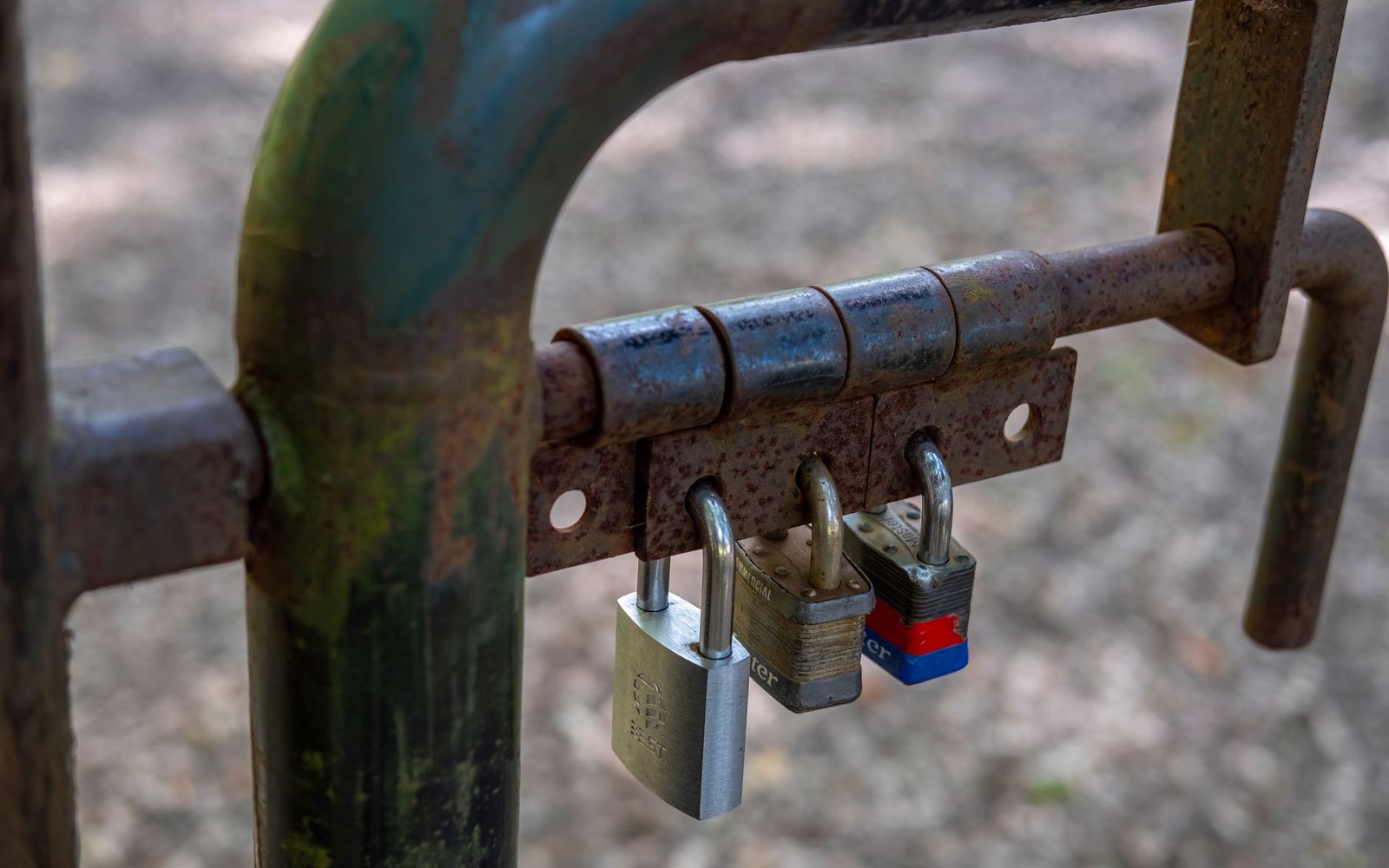
The Johnston Farm and the Canal It Sat On
The Johnston Farm in Piqua as both a documented agricultural operation and the site of surviving Miami and Erie Canal infrastructure — the lockkeeper's house, the working section of canal, and the historical record the state maintains there.
Read the lead piece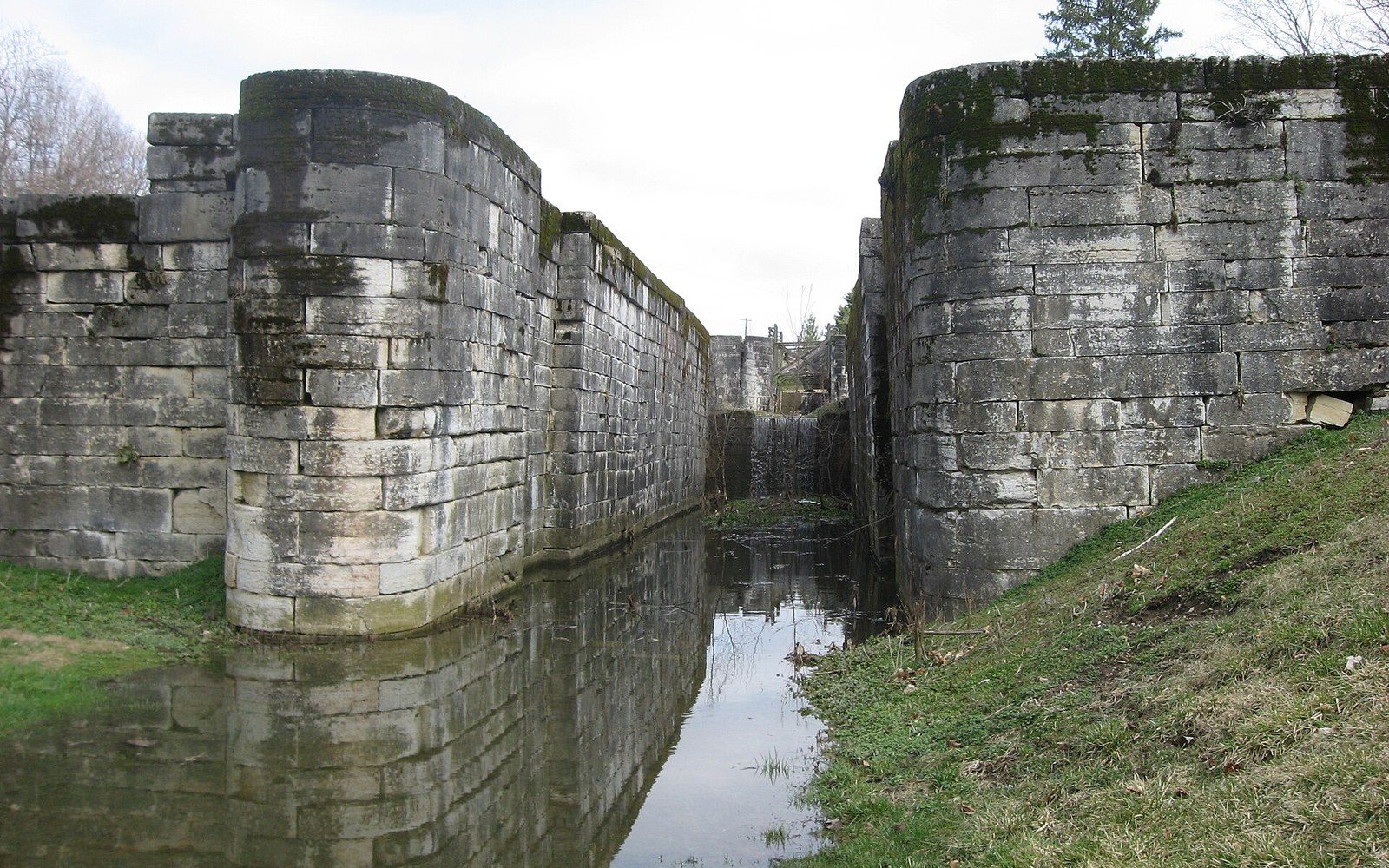 Miami County
What the Locks Were Built to Move
The Miami and Erie Canal lock system in Miami County — the engineering of a lift lock, which locks survive in legible condition, and what the canal moved through this section of Ohio in its operational decades.
Read this piece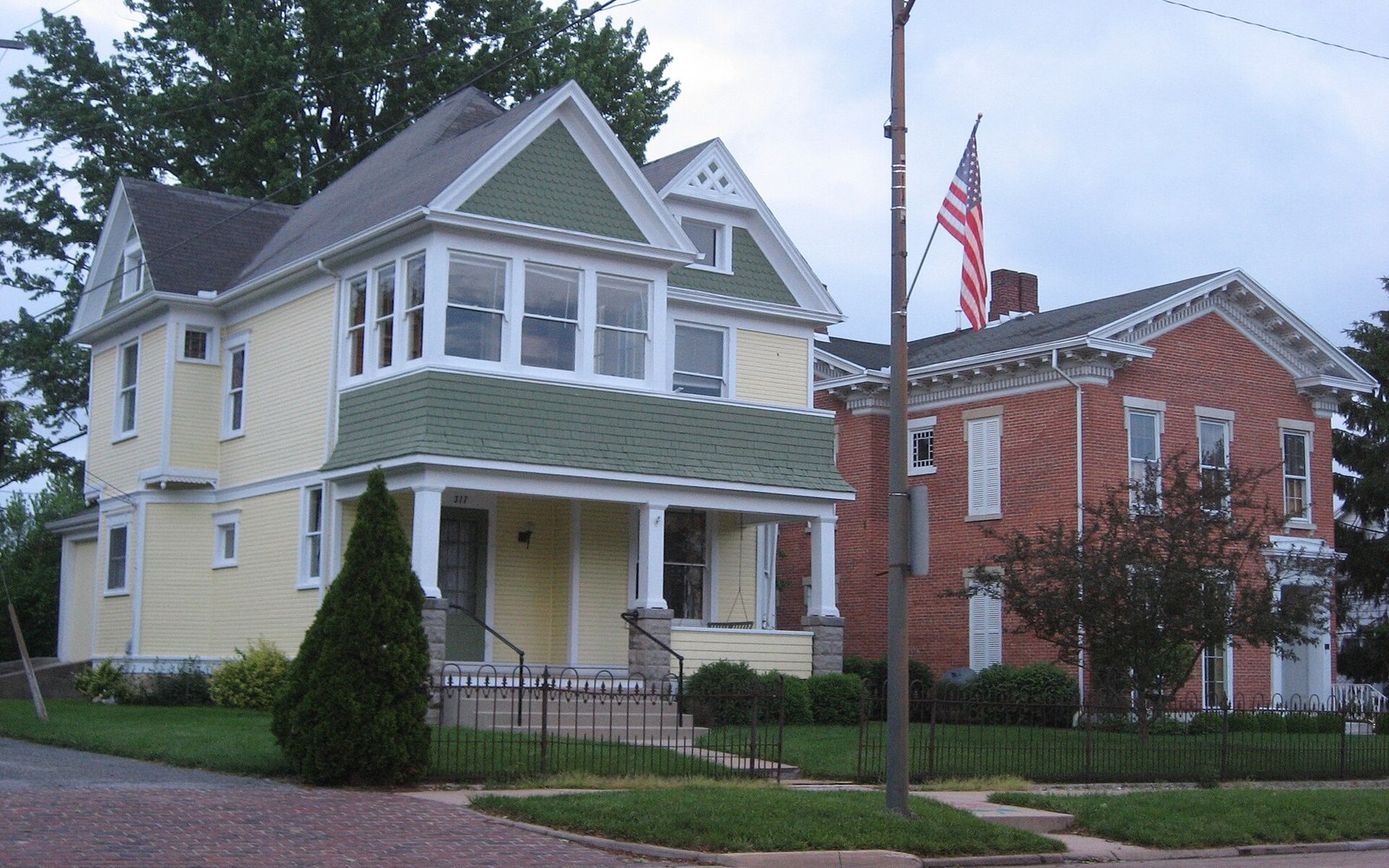 Miami County
Tipp City's Canal-Era Brick
Tipp City's main street as a legible piece of canal-era commercial architecture — the building stock, the street width, and the relationship between the town's layout and the canal that ran through it.
Read this piece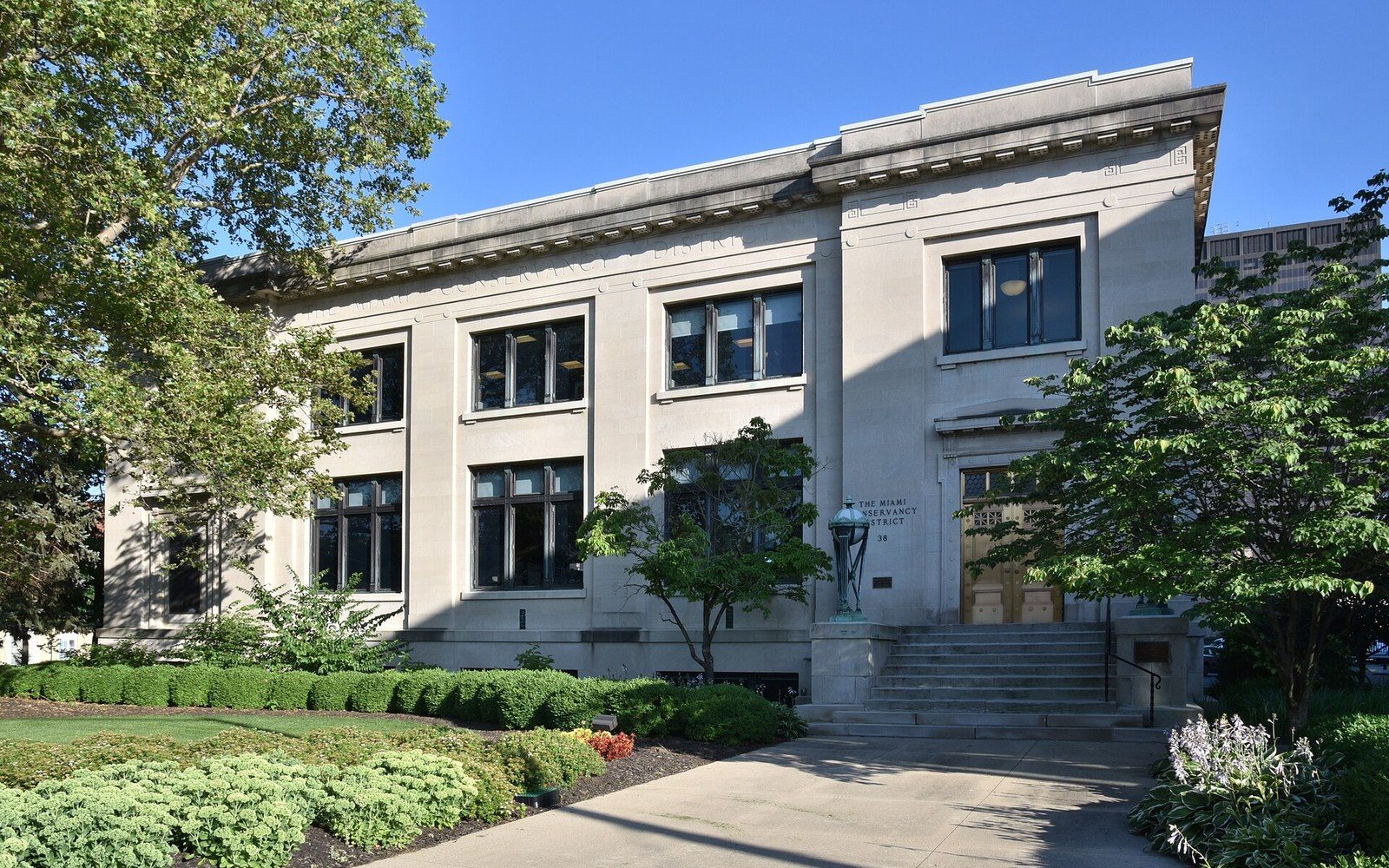 Miami County
The Stillwater and Its Retarding Basin
The Stillwater River as a tributary of the Great Miami and the Englewood Dam on the Stillwater as one of the five Miami Conservancy District structures — its specific location, its basin geometry, and what it contributes to the system's total capacity.
Read this piece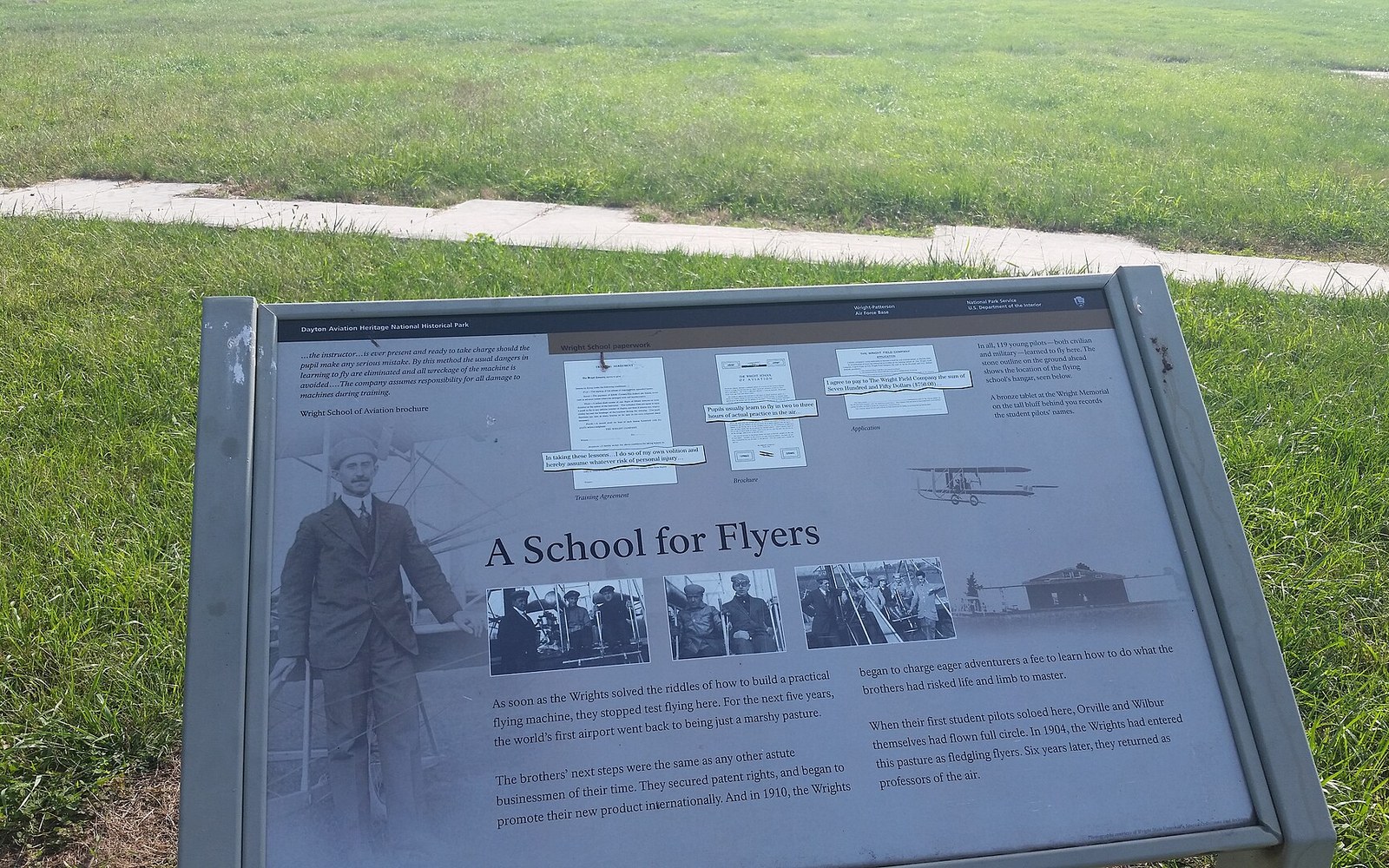 Miami County
Twenty Miles South and the Record They Set
Dayton in relation to Troy and Miami County — the Wright brothers' documented test-flight record in the Miami Valley, and how that record is held and displayed at the National Museum of the US Air Force at Wright-Patterson.
Read this piece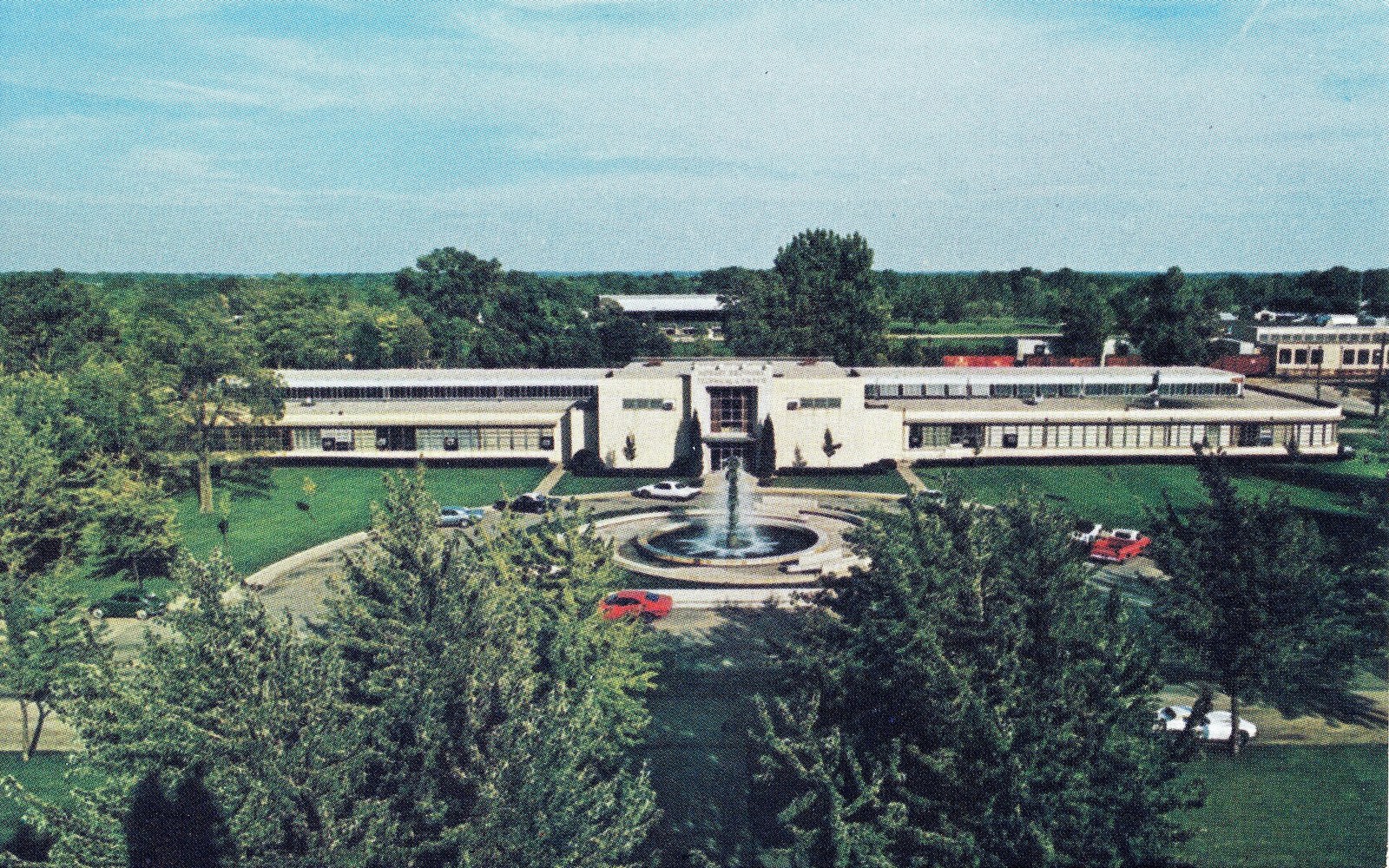 Miami County
What Manufacturing Employs Here
Miami County's manufacturing employment share — the percentage relative to state and national figures, which employers account for the largest portions, and why the county's industrial base has proved more durable than comparable Ohio counties.
Read this piece Miami County
The Largest Collection of Its Kind
The National Museum of the US Air Force at Wright-Patterson — the documented scale of its collection, the galleries that trace the Miami Valley's role in aviation history, and its position as the publicly accessible record of that history.
Read this pieceThe other three sections
The whole registerThe water gets the first say
The flood-control system that makes the town possible: five dry dams, a raised levee, the 1913 event that set the design, and Arthur Morgan's district.
6 pieces Section 2The school has been here since 1930
The Hobart Institute, the welding-wire plant that shares its name, the Honda investment upstream, and why the American Welding Society's shortage number keeps climbing.
6 pieces Section 3The town and its square mile
The Public Square, the 1888 courthouse, Hobart Arena, the Overfield Tavern, WACO Aircraft, the Strawberry Festival as institution, and the fabric of the built town.
7 pieces