The town and its square mile
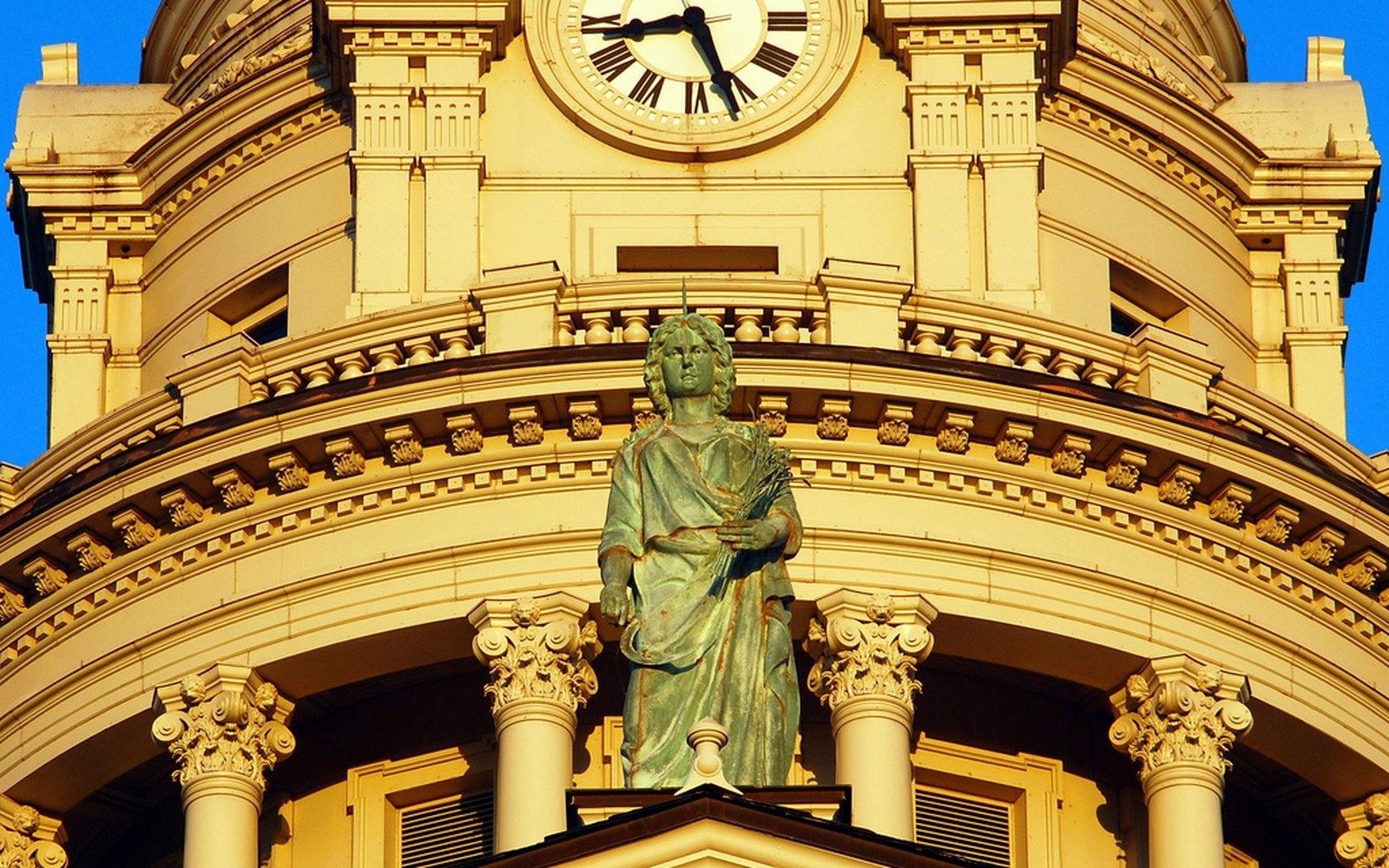
The Dome at the Centre of the Square
The Miami County Courthouse built in 1888 — its design, its dome, its position anchoring the Public Square, and what the building has housed in the years since.
Read the lead piece The Square
Four Streets and a Fountain
The Public Square as a piece of urban fabric — the fountain at its centre, the angled parking on the surrounding streets, and the way the square sits in relation to the courthouse and the commercial blocks around it.
Read this piece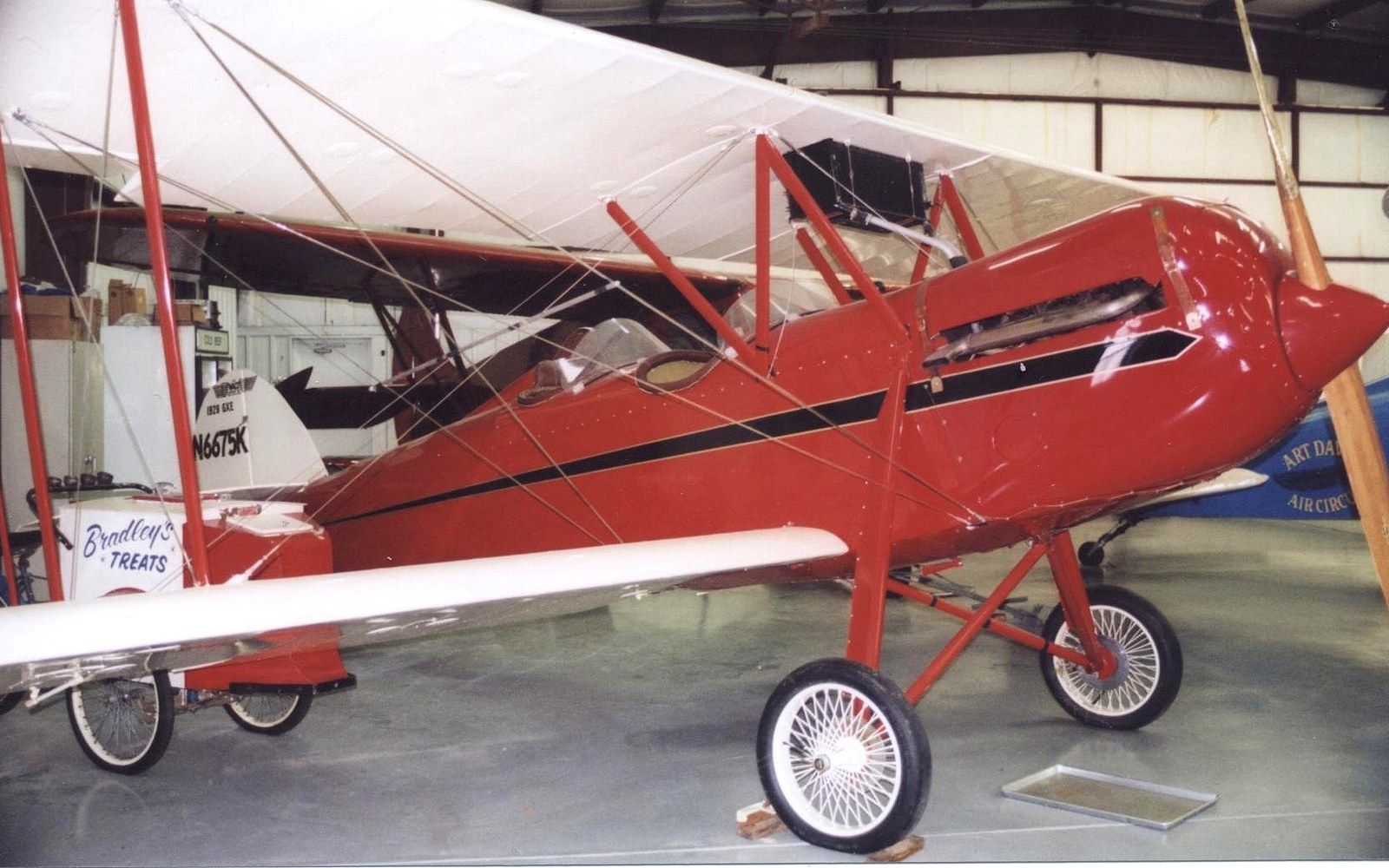 The Square
Built in Troy in the 1920s
The WACO Aircraft Company and the biplanes it produced through the 1920s and 1930s — specific models, production numbers, and the WACO Air Museum and Aviation Learning Center that now holds and flies examples of the type.
Read this piece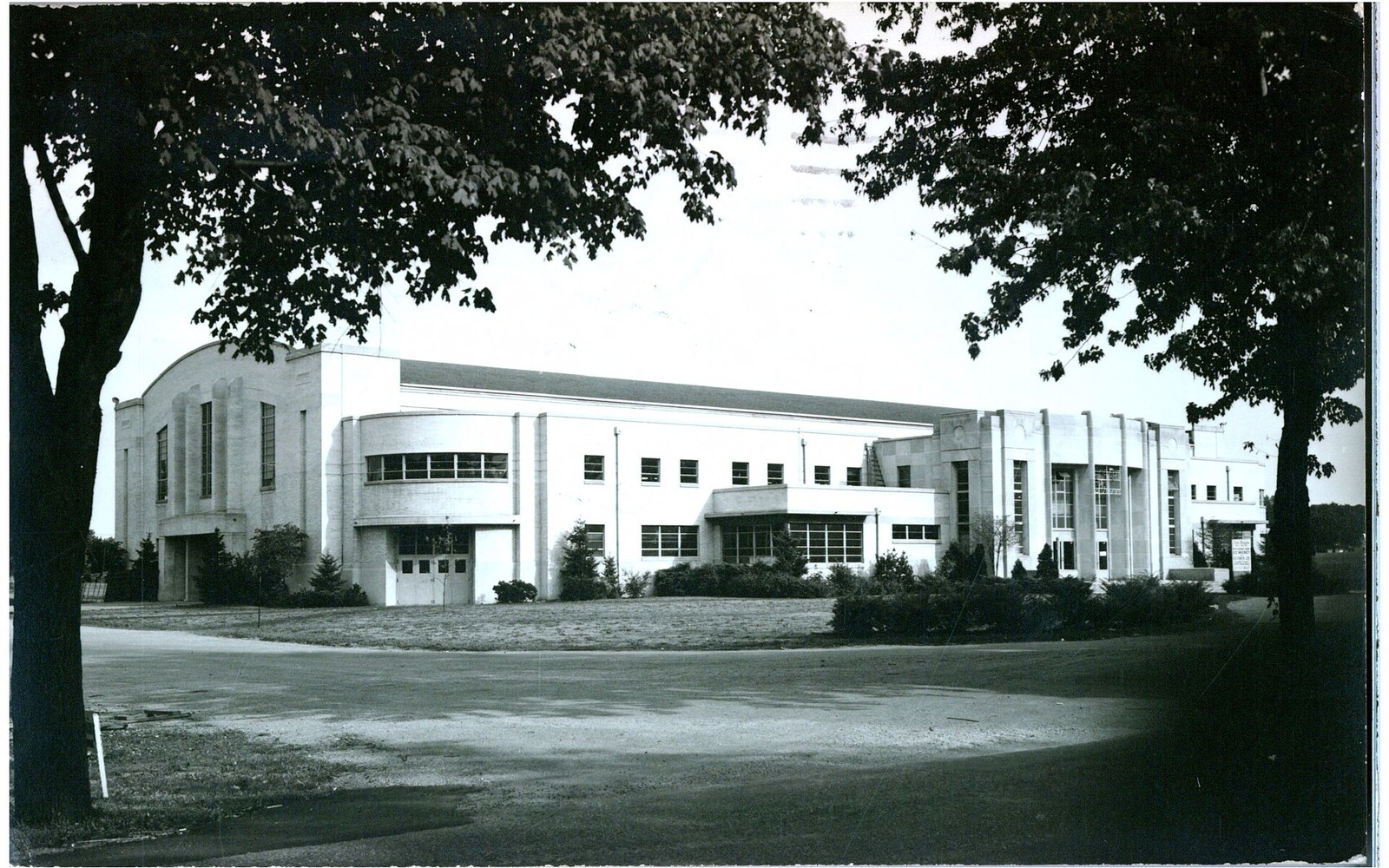 The Square
Hobart Arena's Long Card
The documented concert and hockey record at Hobart Arena — the acts and events it has hosted over the decades, and how a mid-sized arena in a town of 26,000 ended up with that kind of card.
Read this piece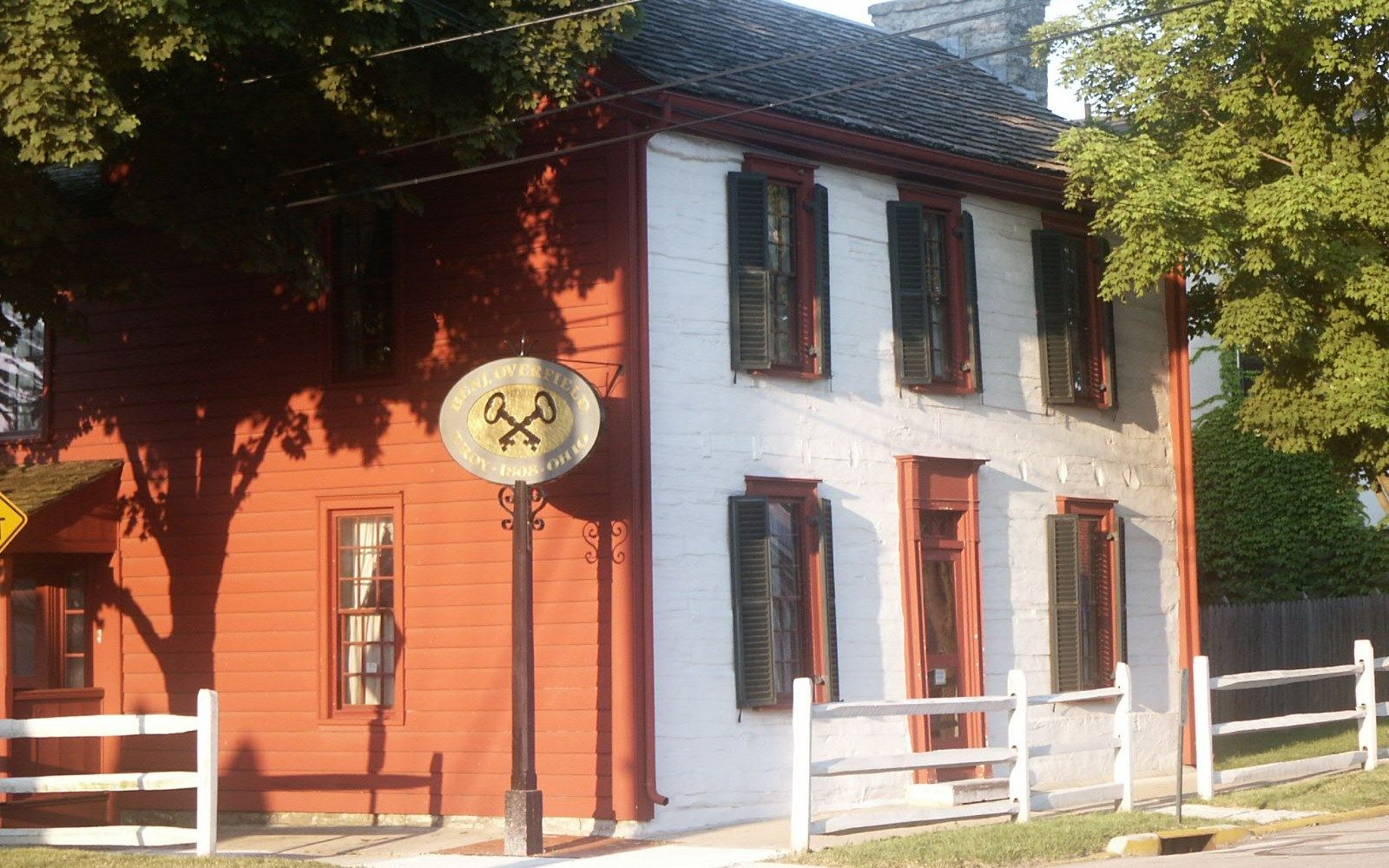 The Square
The Tavern That Predates the Town
The Overfield Tavern, built in 1808 before Troy was incorporated, as a surviving structure from the settlement period — its construction, its documented use, and what it holds as a museum today.
Read this piece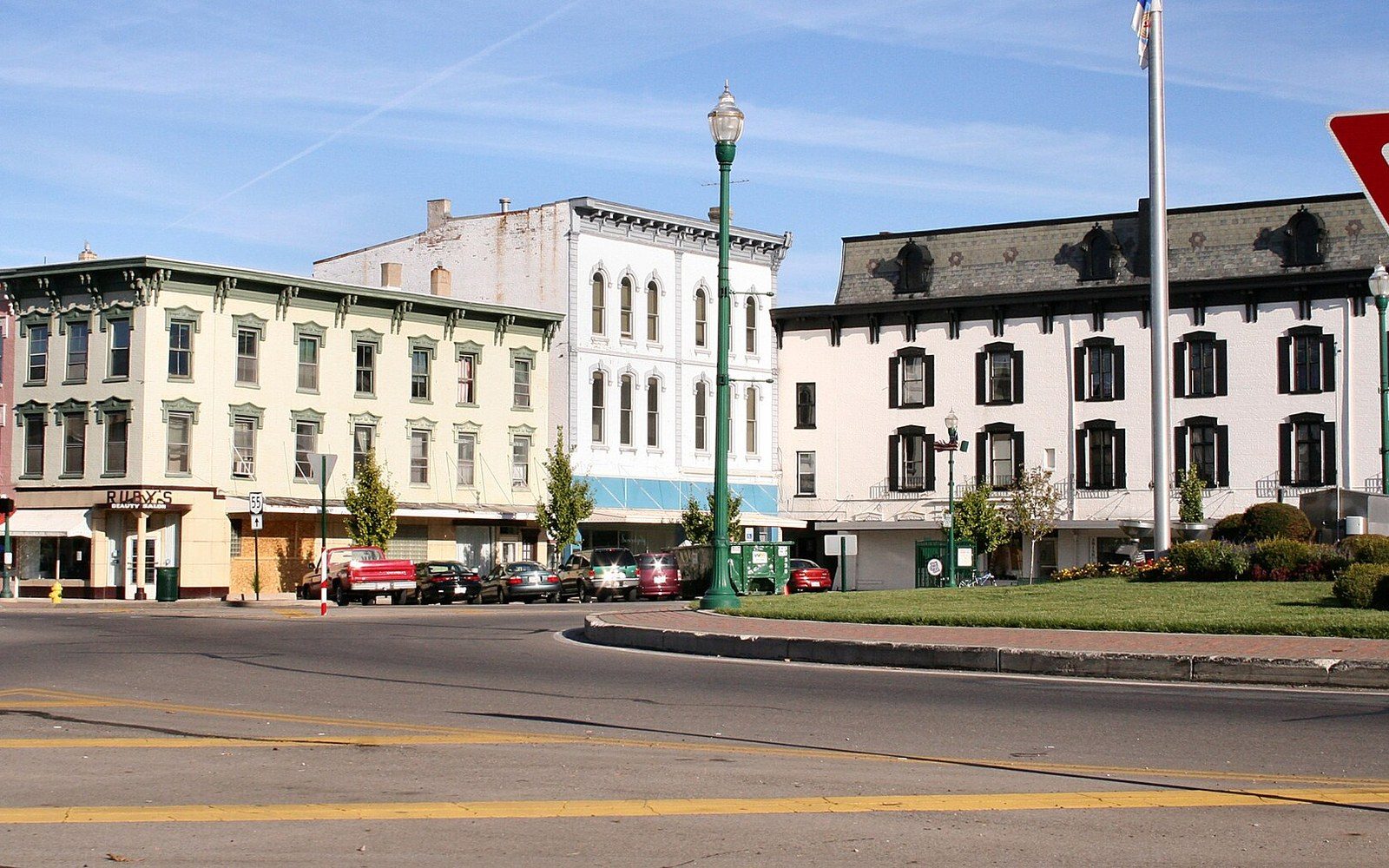 The Square
What the Festival Has Always Been
The Troy Strawberry Festival as a recurring institution with a documented history — when it began, how it uses the downtown streets, and what its scale and continuity say about the town that runs it.
Read this piece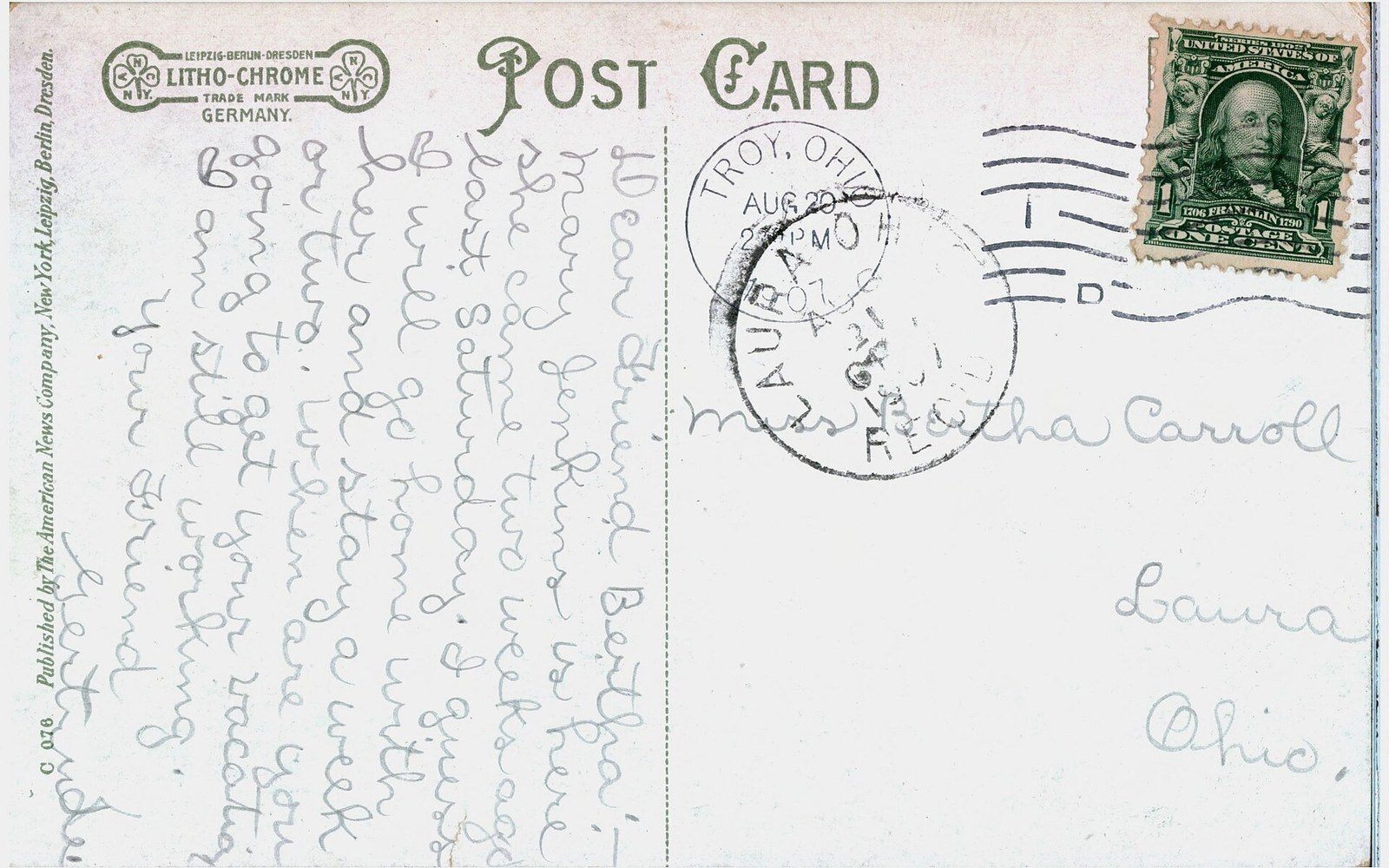 The Square
The Hayner House and What It Became
The Troy-Hayner Cultural Center — the building's origins, its architectural character, and the range of programming it has housed since becoming a public cultural facility.
Read this pieceThe other three sections
The whole registerThe water gets the first say
The flood-control system that makes the town possible: five dry dams, a raised levee, the 1913 event that set the design, and Arthur Morgan's district.
6 pieces Section 2The school has been here since 1930
The Hobart Institute, the welding-wire plant that shares its name, the Honda investment upstream, and why the American Welding Society's shortage number keeps climbing.
6 pieces Section 4The county and what sits in it
Miami County beyond the city limits: Piqua and the Johnston Farm, Tipp City's canal-era main street, the Miami and Erie Canal locks, the Stillwater River, and Dayton's record to the south.
7 pieces