What the Festival Has Always Been
The Troy Strawberry Festival as a recurring institution with a documented history — when it began, how it uses the downtown streets, and what its scale and continuity say about the town that runs it.
A Weekend That Occupies the Grid
The Troy Strawberry Festival has run annually since 1973, anchoring the first weekend of June to the blocks immediately surrounding Public Square. Organizers close the downtown grid to traffic and fill it with vendors, live music stages, and quantities of strawberry-themed food that have made the event one of the larger street festivals in Ohio by attendance — figures consistently cited in the hundreds of thousands across the two days.
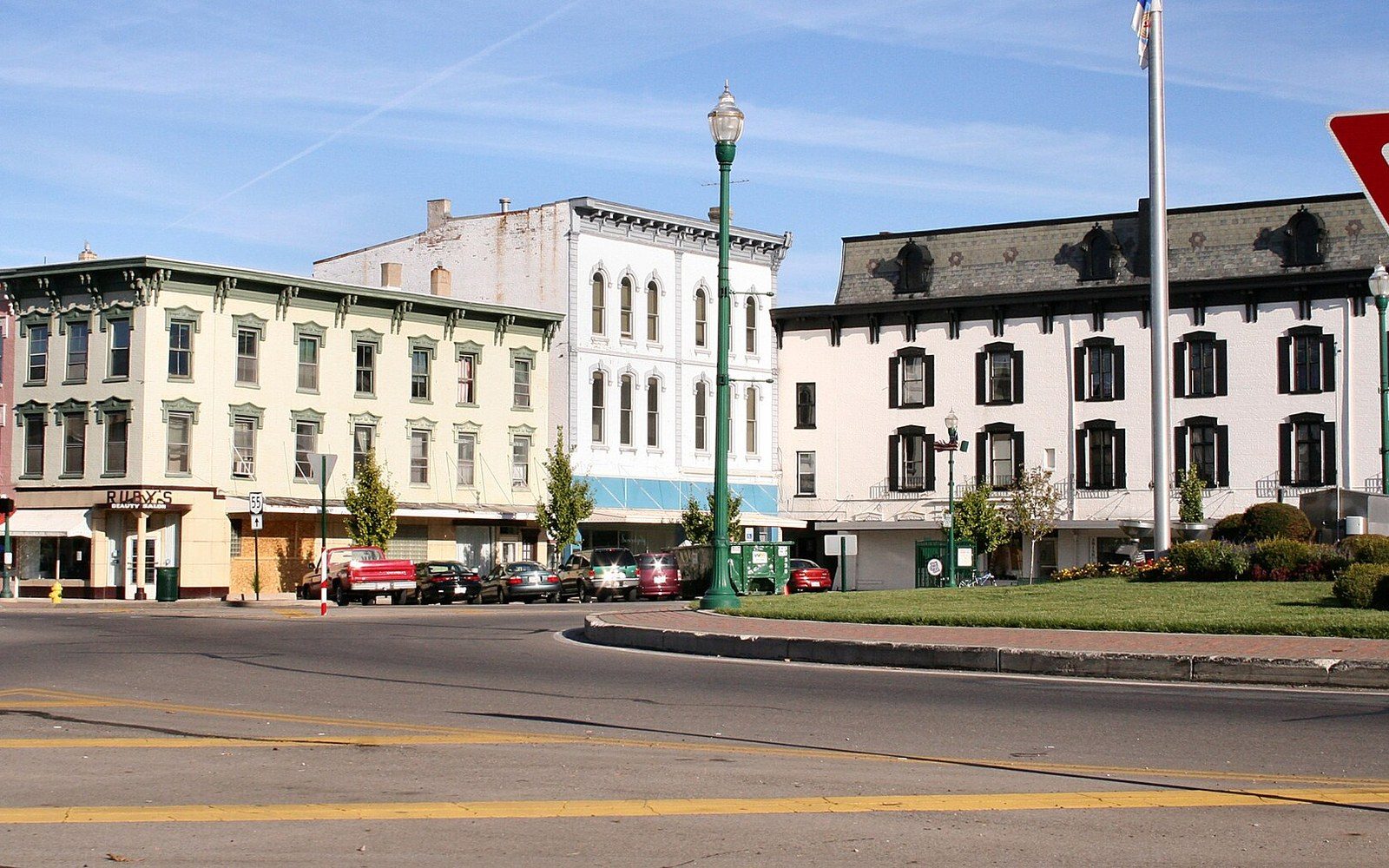
The festival's longevity is partly a product of geography. Troy's downtown is a tight, walkable grid centered on the square, and the street closures create a contained circuit that concentrates foot traffic without requiring a purpose-built fairground. Market Street and the cross streets running off the square form natural corridors; the layout needs little improvisation because the bones of the town supply it.
What the festival documents, beyond its own enjoyment, is the commercial and civic durability of the downtown. A mid-sized manufacturing county seat might easily have lost its walkable core to suburban retail displacement — the pattern is common across the Midwest — but Troy's square has retained enough active storefronts to make the festival's footprint legible as a real downtown rather than a backdrop. The Troy-Hayner Cultural Center on West Main Street draws additional visitors during the festival weekend, functioning as it does as a civic anchor west of the square.
Strawberry season in western Ohio runs through late May and early June, and the festival timing tracks it closely; Miami County's agricultural fringe — the truck farms and small operations north of the city — historically supplied local berries to the market. The connection is now more symbolic than logistical, but it is not invented. The festival began when local growing was still a working part of the county economy documented in Ohio agricultural records, and it has carried that origin forward in name and in its June timing, consistent with regional strawberry harvest data.
Fifty-plus years of the same first weekend in June is itself a kind of infrastructure.