Hobart Arena's Long Card
Seven decades of concerts and hockey at Hobart Arena, and how a mid-sized arena in a town of 26,000 ended up with that kind of card.
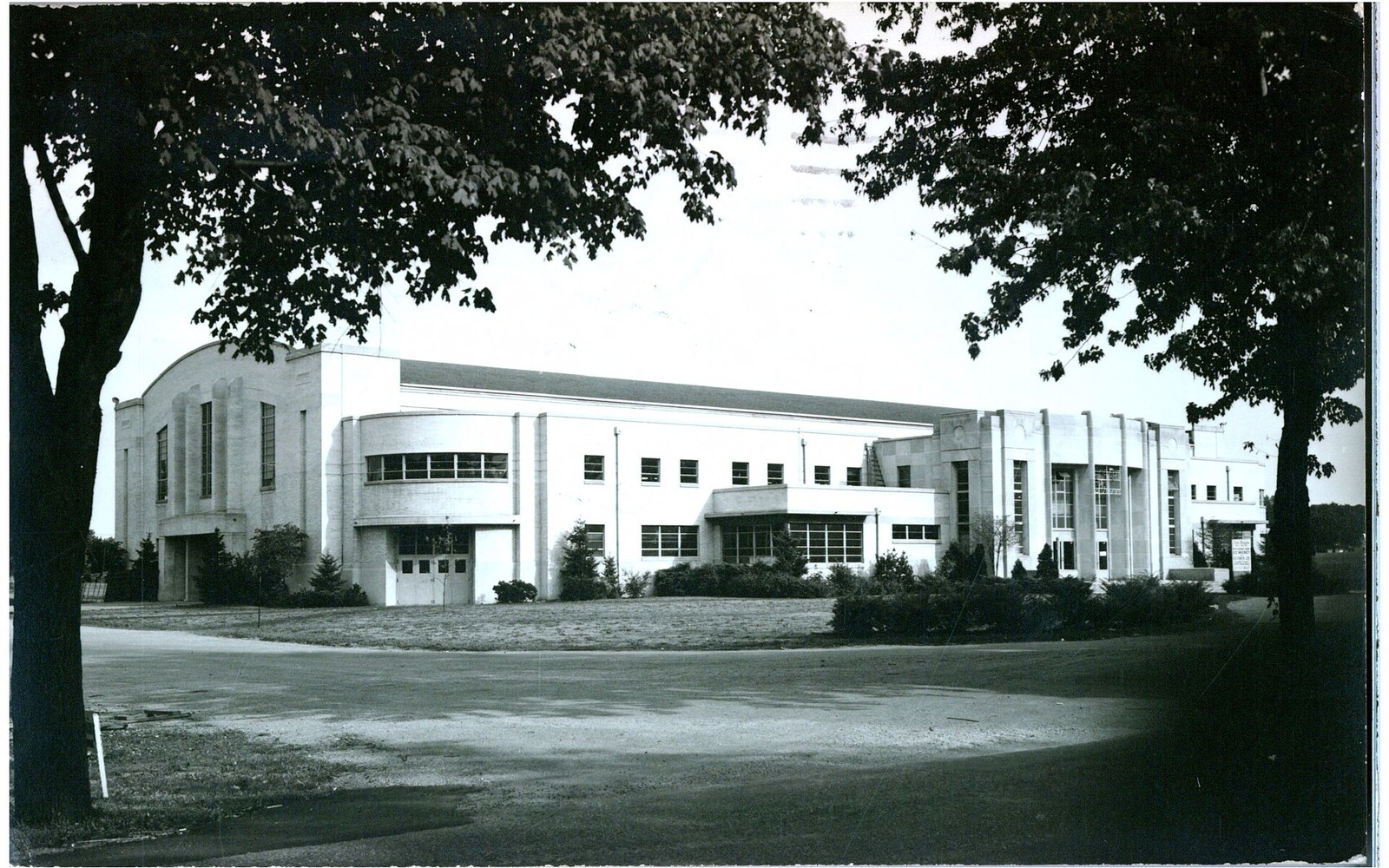
A 4,200-seat building in a town of 26,000 has hosted a booking history that routinely outranks venues twice its size.
What Explains the Record
Hobart Arena opened in 1950, built with funding tied to the Hobart family's industrial presence in Troy — the same wealth that underwrote welding research and the cultural center on South Market Street. The building seats roughly 4,200 for concerts and somewhat fewer for hockey, and it has operated continuously since, which means seven decades of bookings compound into an unexpectedly long card.
The arena sits on North Dorset Road, close enough to Interstate 75 to be a practical stop on a routing between Columbus, Cincinnati, and Detroit. That corridor logic matters more than the local population figure: a promoter running a mid-market tour moves acts through I-75 towns because the drive time pencils out, and Hobart Arena has always been ready to take the date. The building's ice plant — installed for the Troy Ice Hawks and subsequent amateur hockey programs — gave it a configuration flexibility that kept it viable as larger regional sheds opened.
The concert record runs from country and pop acts of the postwar decades through rock bookings in the 1970s and 1980s, when the arena drew names well above what a city of Troy's size would ordinarily command. The pattern behind those bookings is consistent: a building that stayed cheap to rent, stayed ice-capable, and sat on a four-lane corridor attracted repeat business from regional promoters who knew it delivered a house.
Amateur hockey has been a through-line. The ice has supported youth leagues, high school programs, and adult recreational leagues across the full span of the arena's life, giving the building steady low-margin use between the event dates.
The building is not architecturally distinguished — it is a postwar steel-frame box with a flat roof and a parking lot — but it has outlasted handsomer competitors by doing the one thing an arena must do: staying open and filling seats. In a town whose manufacturing base and institutional anchors have kept the population stable, that consistency is its own argument.