The $4.4 Billion Bet at Jeffersonville
A joint venture, a greenfield site, and a workforce problem the region has not yet solved
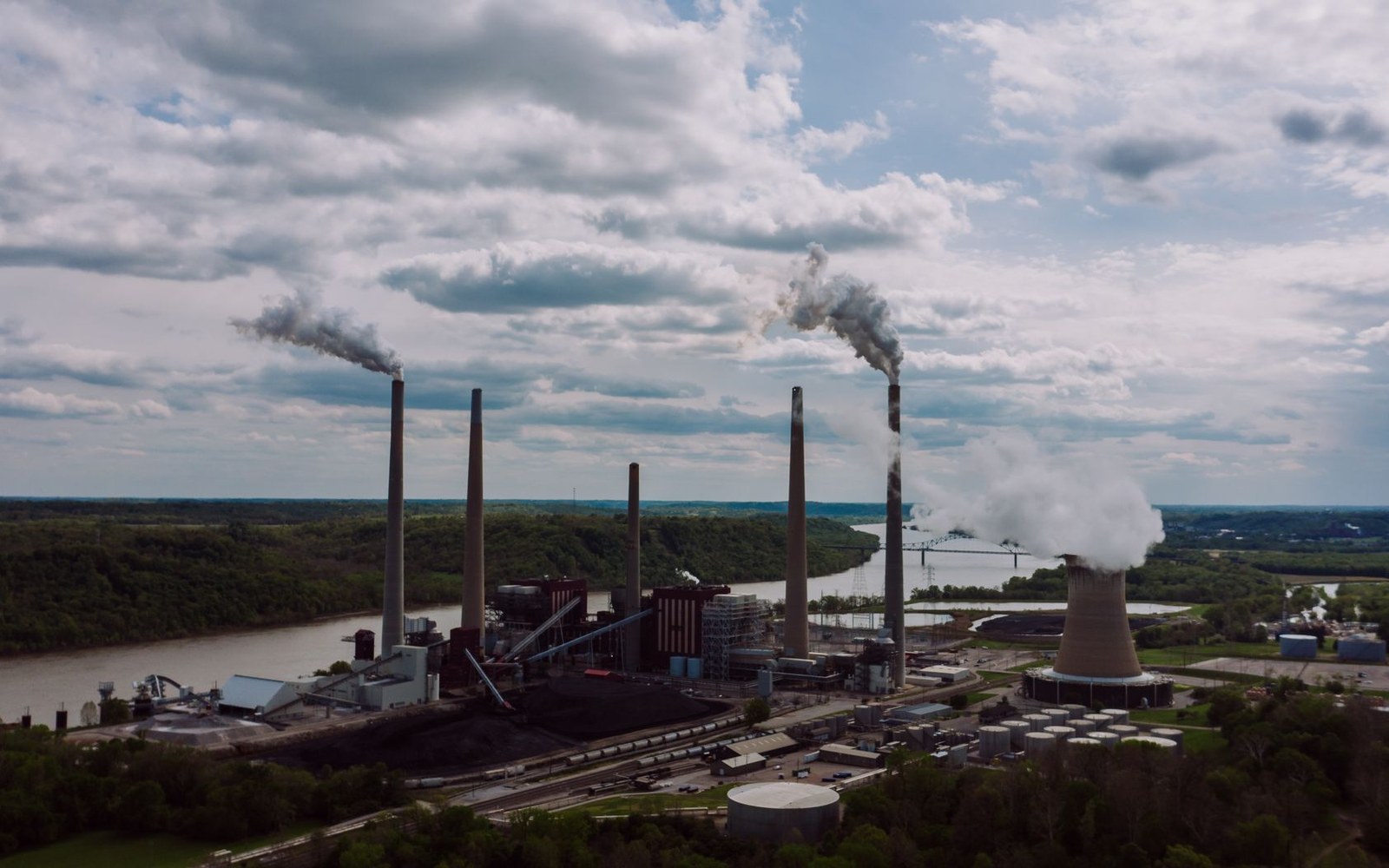
Honda and LG Energy Solution are building a lithium-ion battery cell plant at Jeffersonville, Ohio, in Fayette County — a $4.4 billion joint venture operating as L-H Battery Company. The plant will supply cells for the electric vehicles Honda plans to build at its retooled Ohio manufacturing plants.
The investment figure — $4.4 billion — is among the largest single manufacturing commitments in Ohio's recent history. The plant is designed to produce lithium-ion pouch cells, the flat, layered format preferred for automotive packs because it packages energy densely and manages heat reasonably well across a charge cycle. When fully operational, it is projected to employ around 2,200 workers, a number that would substantially reshape Fayette County's industrial base.
What the jobs require, and where the workers come from, is the unresolved question. Battery cell manufacturing is not unskilled assembly work. The electrode coating lines, the formation cycling equipment, the dry-room protocols that prevent atmospheric moisture from degrading cell chemistry — all of it demands technicians who understand electrochemical processes, precision instrument maintenance, and the kind of process-control discipline more familiar in semiconductor fabs than in traditional Midwestern stamping or machining plants. The American Welding Society's annual shortage estimates for skilled trades reflect the broader regional gap: the Miami Valley and its surrounding counties have trained metalworkers in quantity, but battery-cell process technicians are a different credential entirely.
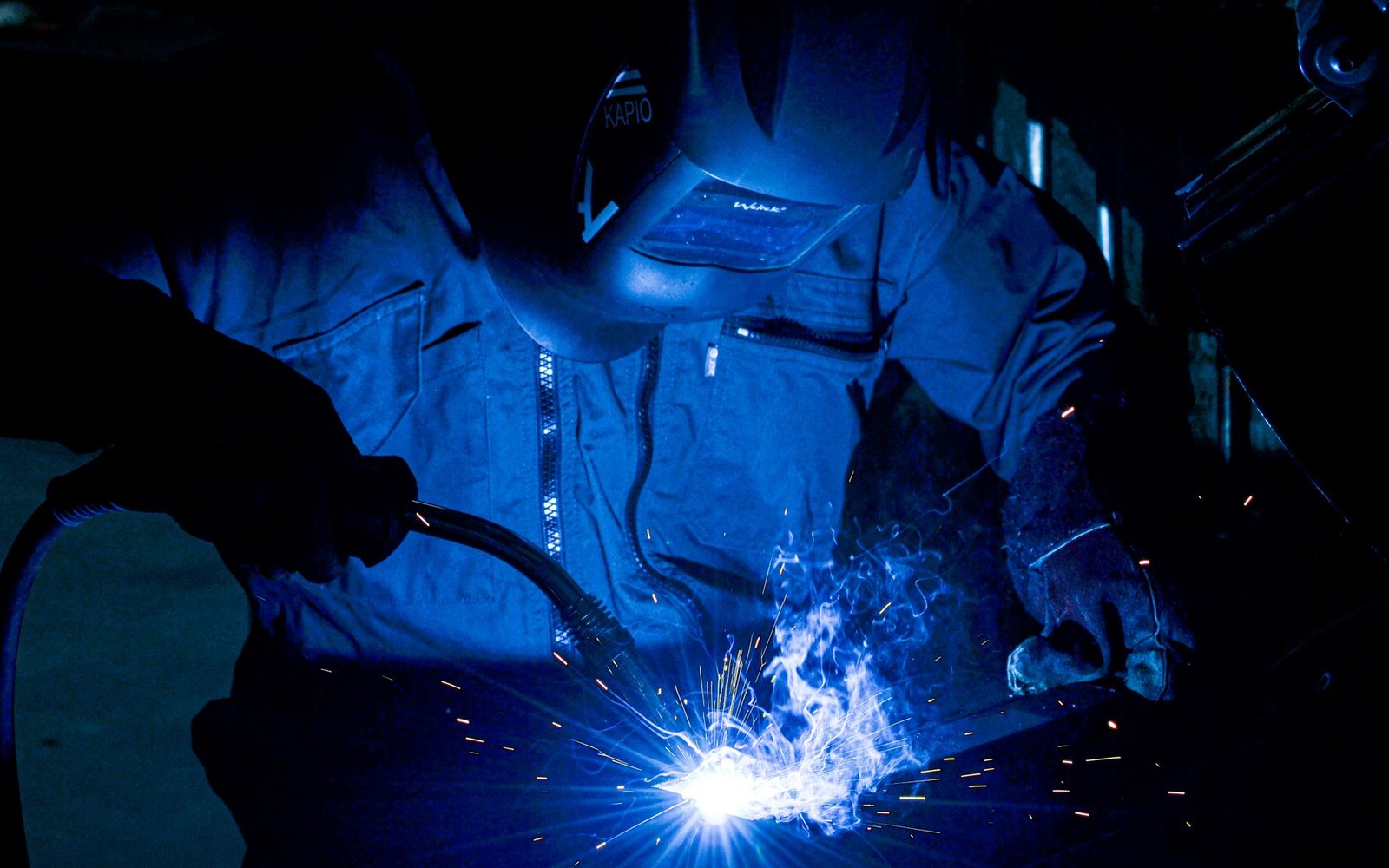
Ohio's community college system and the state's network of career-technical centers are adjusting curricula, and the Hobart Institute of Welding Technology in Troy represents the kind of deep trades-training infrastructure the region has historically been able to draw on — but welding credentials do not transfer directly to dry-room cell assembly. The workforce pipeline for Jeffersonville is being built more or less from scratch, in parallel with the construction of the plant itself.
Ground was broken in 2023, with production targeted for 2025, a timeline that industrial observers have flagged as aggressive given the scale of both the facility and the hiring requirement. Whether the region can close the skills gap before the first formation line runs at capacity is the practical question the $4.4 billion number does not answer.