Tens of Thousands, Every Year
The American Welding Society's annual shortage estimate — what the figure counts, why it keeps running ahead of training capacity, and why west-central Ohio is a sharper case study than the national average.
The AWS shortage estimate is a real number with real consequences — and west-central Ohio narrows the focus
What the Figure Actually Counts
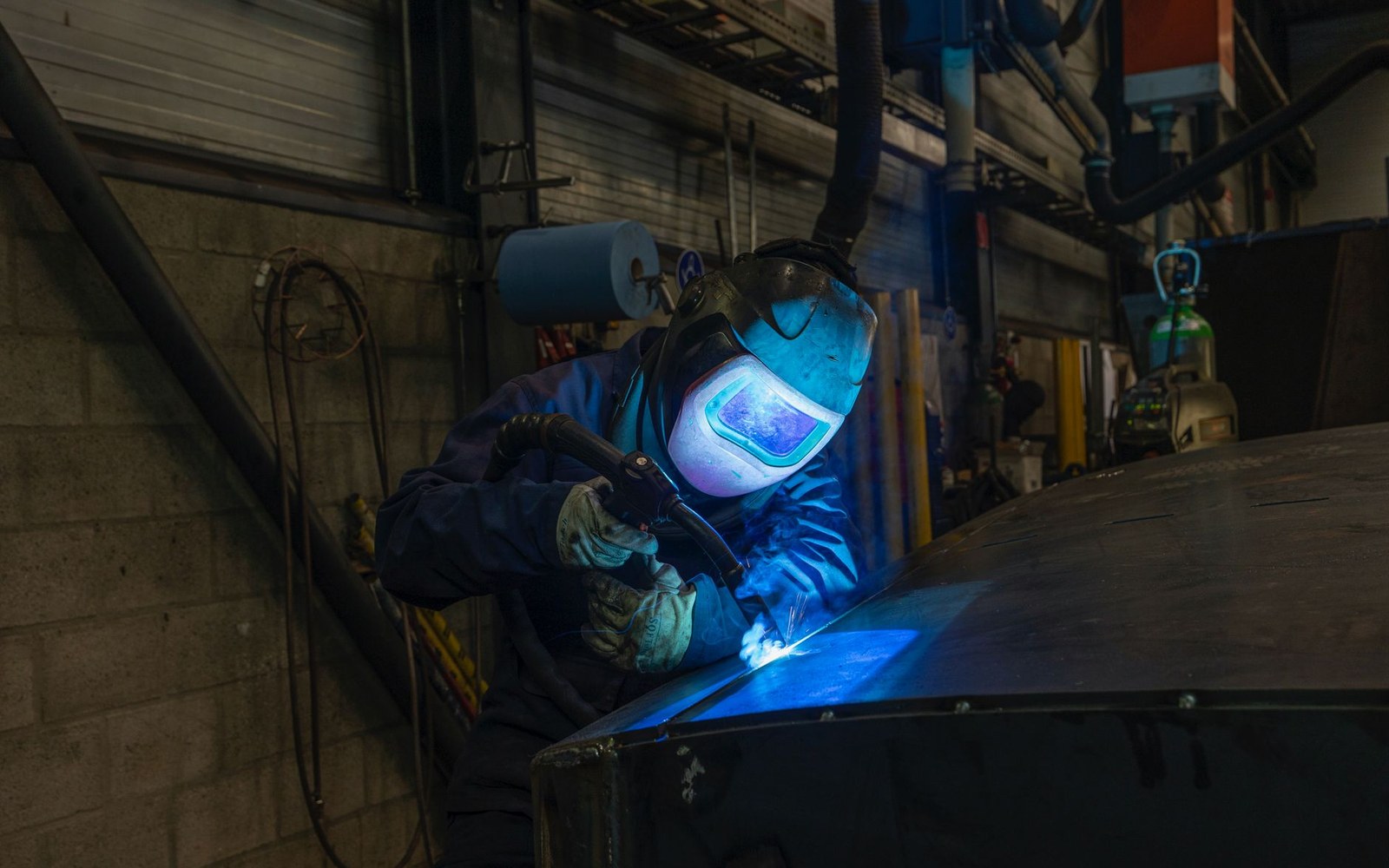
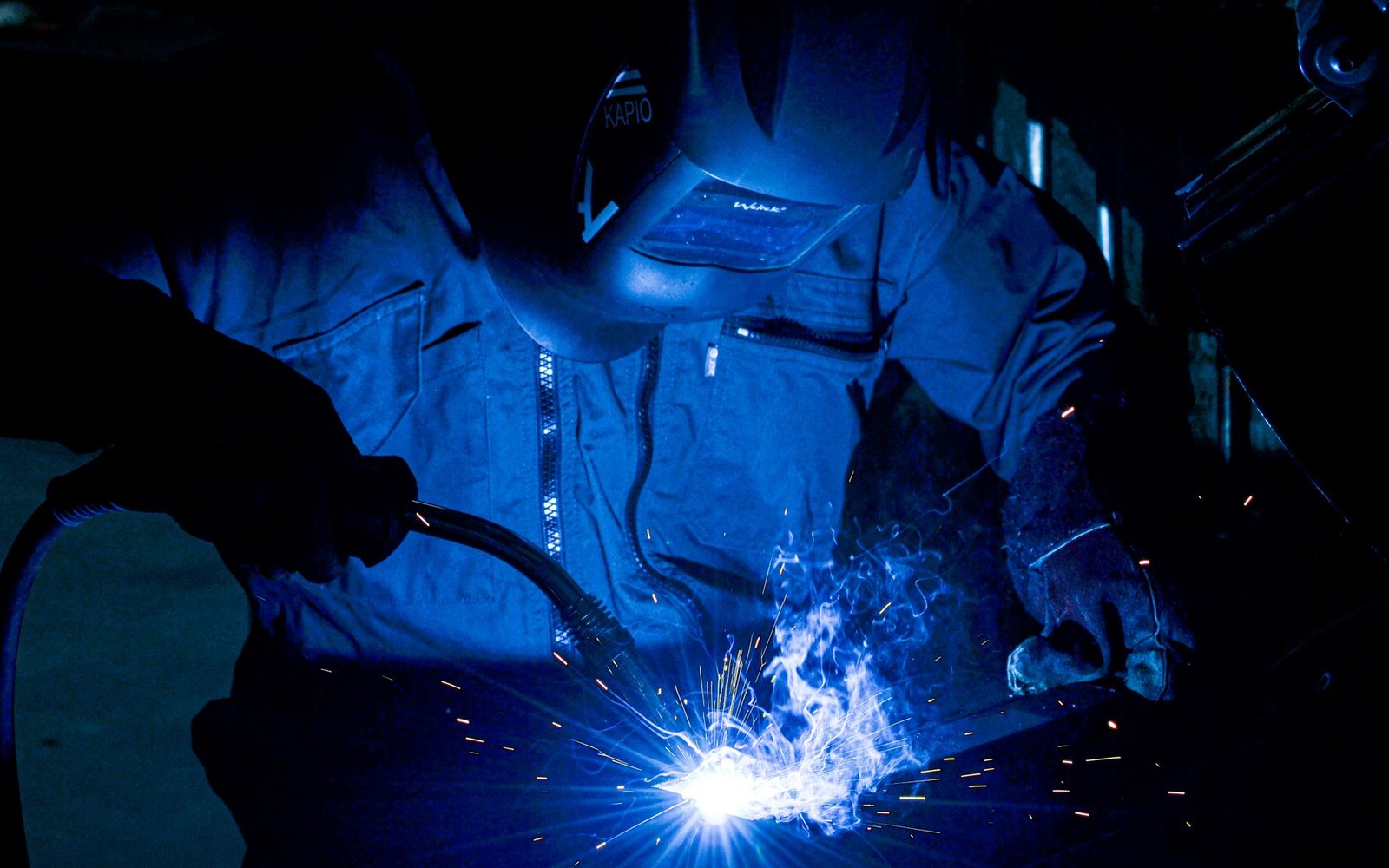
The American Welding Society has published workforce shortage projections running into the hundreds of thousands of qualified welders needed by the mid-2020s, with an annual gap consistently cited in the range of tens of thousands of positions. That figure is not a vacancy count pulled from job boards. It is a net demand estimate: retirements subtracted from the working population, the result compared against the number of new certified welders completing training each year. The gap persists because the two curves are not moving in the same direction. The retirement wave among welders who entered industry in the 1970s and 1980s is accelerating, while training completions — constrained by enrollment, equipment cost, and the multi-year lead time required to open a credible welding program — have not kept pace.
The figure also captures a quality dimension that raw headcounts obscure. Many industrial processes — aerospace fabrication, pressure-vessel work, structural applications subject to code inspection — require welders certified to specific AWS or ASME standards. A body-shop MIG welder and a certified pipe welder are not substitutes. The shortage at the certified, code-qualified tier is proportionally more acute than the overall number implies, because that is where wages are highest, turnover is lowest, and employers are most reluctant to lower their qualification bar.
Why West-Central Ohio Concentrates the Problem
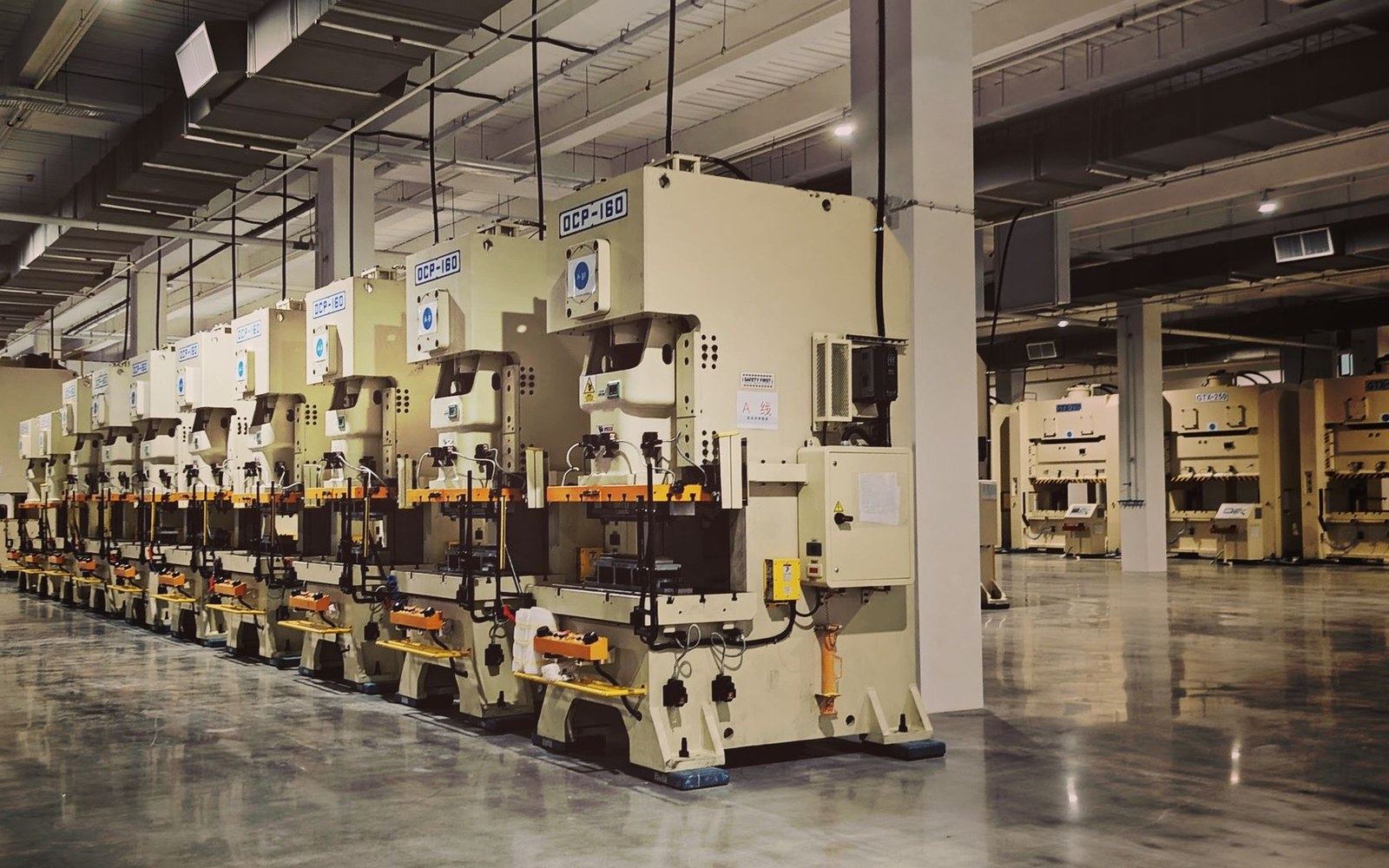
National shortage estimates become more legible when mapped onto a specific industrial geography. Miami County and the corridor running south through Dayton and north toward Sidney represent a manufacturing density well above the national average — automotive stamping, drive-unit assembly, agricultural equipment, aerospace component work — all of which weld continuously. The demand side of the equation is not abstract here; it is F&P America pressing sheet steel in Troy, Honda's Anna plant accelerating its electric-drive conversion, and a tier-two supply chain that stretches across a half-dozen small cities. Every plant in that network files positions requiring certified welders, and most have filed them for years.
The supply side is where west-central Ohio's position becomes distinctive rather than simply acute. The Hobart Institute of Welding Technology, founded in Troy in 1930 and operated in direct relationship with ITW Hobart Brothers, runs one of the longest-established and most technically serious welding-training programs in the country. Its curricula map directly onto AWS standards; its graduates enter industry with credentials that compress the employer qualification process. By rights, this should make Miami County an exporter of welding talent — and to some degree it does. But the institute's throughput is finite, and the regional demand pool is large enough that local absorption competes with national placement before the class list is exhausted.
The Structural Reason the Gap Runs Ahead
Training capacity for skilled trades does not scale quickly. A welding program requires ventilated booth space, power infrastructure, consumables budgets, and instructors who have themselves logged the booth hours to teach at a code-relevant level. An institution can expand an accounting program with a room and a projector; it cannot expand a welding program the same way. Community colleges across Ohio have added welding certificates, but the pipeline from enrollment decision to job-ready certified welder runs eighteen months at minimum for a general qualification, and longer for specialized processes.
Meanwhile, the demand signal keeps moving. The electrification of Honda's Anna plant and the battery manufacturing commitment at Jeffersonville are adding new fabrication and assembly requirements to the regional economy, not substituting for old ones. Structural steel, battery enclosures, and electric-motor housings all require welded joints — often to tighter tolerances than the internal-combustion components they accompany. The AWS projection, reset annually, has not shown a narrowing gap. West-central Ohio is one reason to believe it.